

🔖 “I knew I had to try soup dumplings, but I wasn’t prepared for how incredible they’d be. The way the soup bursts in your mouth—wow.”— Clara, Germany
🔖 “The xiaolongbao I had at a little stall near Yuyuan Gardens were unforgettable. Soft, flavorful, and honestly better than anything I’ve tried back home.”— Daniel, Canada
🔖 “Watching the chefs fold the dumplings behind the glass was almost as satisfying as eating them. You can tell there’s real love in the process.”— Alice, Australia
In the bustling streets of Shanghai, few culinary experiences are as beloved, iconic, and memorable as tasting a freshly steamed xiaolongbao. These delicate soup dumplings are not only a local specialty—they are a cultural symbol, a piece of edible art, and a window into the heart of Shanghai’s food traditions. For many visitors, savoring xiaolongbao is a highlight of their journey, offering a sensory experience rich in flavor, craft, and history.
A Culinary Treasure with Deep Roots
Xiaolongbao originated in the Jiangnan region of China, particularly in areas around Shanghai and Suzhou. The name literally means “small basket buns,” referring to the traditional bamboo steamers they are served in. While today they are famously associated with Shanghai, their roots stretch back over a century to the Qing Dynasty.
Originally developed as a luxurious snack in tea houses, xiaolongbao gradually evolved from a regional treat to a beloved staple found everywhere from street food stalls to Michelin-starred restaurants. They reflect the refined techniques of Jiangnan cuisine—focused on delicate preparation, balance of flavors, and an appreciation for seasonal ingredients.
More Than a Dumpling: Craft and Culture
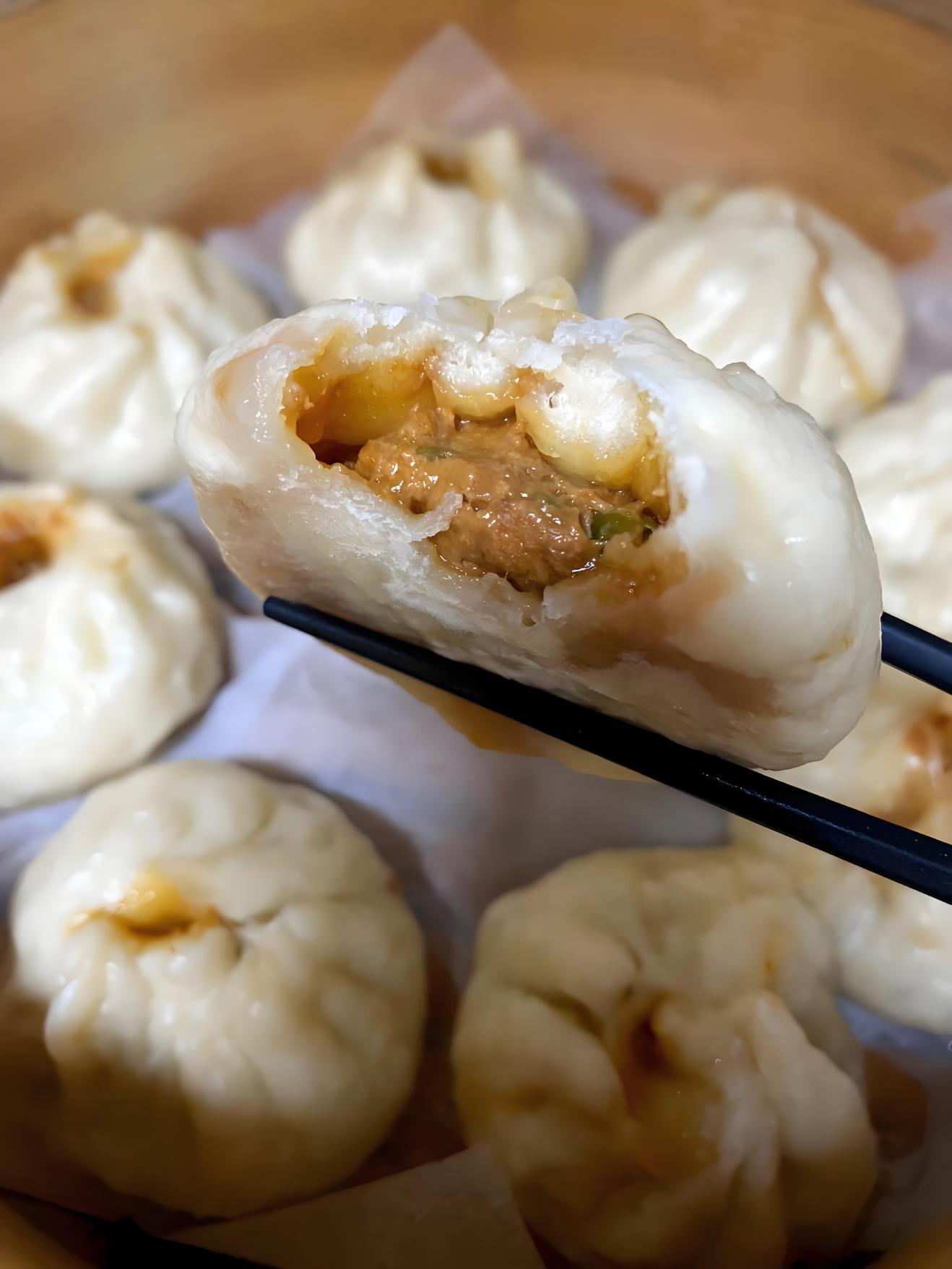
At first glance, xiaolongbao may look simple, but behind every bite lies incredible craftsmanship. The dough must be paper-thin, yet strong enough to hold the hot, savory broth inside. The filling is traditionally a mixture of minced pork and gelatinized pork stock, which melts during steaming to create the signature soup.
Skilled chefs hand-fold each dumpling with 18 to 21 pleats, forming a small pouch that resembles a blossom. Timing and temperature are crucial—each dumpling is steamed for exactly the right duration to ensure the broth is hot, the skin is tender but not broken, and the flavor is rich and harmonious.
Watching a chef make xiaolongbao by hand is mesmerizing—a dance of fingers and flour that reflects years of training and a deep respect for culinary tradition.
A Multi-Sensory Experience
Eating xiaolongbao is not just about taste—it’s about the ritual, the anticipation, and the joy of discovery. Typically served in bamboo baskets lined with cabbage leaves, the dumplings arrive steaming and fragrant. Diners are advised to follow a gentle process:
Pick it up carefully with chopsticks, often placing it on a spoon.
Take a small bite or poke a hole to let the steam escape.
Sip the hot broth, enjoying the rich, umami flavor.
Add condiments, usually ginger strips in black vinegar.
Finish the dumpling, savoring the meat and delicate wrapper.
The result is a burst of textures and flavors—warm soup, tender meat, silky skin—that leaves a lasting impression.
Where to Try Xiaolongbao in Shanghai
Shanghai offers a wide range of venues to try xiaolongbao, from humble local favorites to refined culinary destinations:
Nanxiang Mantou Dian (南翔馒头店) in Yu Garden is one of the most historic and famous spots, tracing its legacy back to the early 1900s. Queues are common, but the experience is iconic.
Din Tai Fung, though originally from Taiwan, has become an international name synonymous with xiaolongbao perfection. Their Shanghai branches offer consistency, cleanliness, and transparency—you can watch the dumplings being made through glass windows.
Jia Jia Tang Bao, a local favorite near People’s Square, is famous for its affordable, flavorful dumplings and more rustic charm.
For adventurous foodies, small neighborhood eateries and street vendors offer authentic and sometimes surprising variations, including shrimp, crab roe, or even truffle-infused xiaolongbao.
Seasonal and Regional Variations
While pork remains the classic filling, Shanghai’s culinary creativity is on full display with seasonal versions. In autumn, crab roe xiaolongbao (蟹粉小笼包) become the star, especially during hairy crab season. These dumplings are richer and more intense, often considered a gourmet delight.
Modern variations also include beef, shrimp, vegetarian, and even sweet fillings. While purists may prefer the traditional pork, exploring these different options can be an adventure in taste.
What Visitors Are Saying
Many travelers come away from Shanghai raving not just about the landmarks or skyline, but about xiaolongbao.
“I knew I had to try soup dumplings, but I wasn’t prepared for how incredible they’d be. The way the soup bursts in your mouth—wow.”
— Clara, Germany
“The xiaolongbao I had at a little stall near Yuyuan Gardens were unforgettable. Soft, flavorful, and honestly better than anything I’ve tried back home.”
— Daniel, Canada
“Watching the chefs fold the dumplings behind the glass was almost as satisfying as eating them. You can tell there’s real love in the process.”
— Alice, Australia
A Cultural Symbol of Shanghai
Beyond flavor, xiaolongbao represent the spirit of Shanghai itself: elegant yet down-to-earth, traditional yet ever-evolving. They capture the city’s ability to blend heritage with innovation, and to turn something as simple as a dumpling into a beloved global experience.
To enjoy xiaolongbao is to connect with generations of culinary wisdom, to participate in a ritual cherished by locals, and to taste a piece of Shanghai’s cultural heart. Whether it’s your first bite or your fiftieth, it’s always a moment of warmth, wonder, and joy.