

🔖 “I didn’t expect to fall in love with a little fried bun, but the moment I bit into it, I knew I’d be chasing that taste again. It’s the kind of food that makes a city unforgettable.”
🔖 “It’s more than a snack—it’s a ritual. Watching it cook, waiting for it to cool, and then savoring the burst of broth inside—it felt like a cultural experience as much as a culinary one.”
When wandering the streets of Shanghai, it doesn’t take long before your senses are drawn toward the inviting sizzle of something delicious on a cast-iron skillet. This familiar sound, accompanied by a rich aroma of savory broth and golden dough, often leads to one of Shanghai’s most beloved culinary icons: Shengjianbao (生煎包), or pan-fried soup buns.
A Local Classic with Deep Roots
Shengjianbao originated in the early 20th century in Shanghai, developing out of a centuries-old Chinese tradition of dumplings and buns. Unlike its more internationally known cousin, Xiaolongbao (steamed soup dumplings), Shengjianbao is pan-fried, giving it a uniquely crispy bottom while retaining a soft, fluffy top.
What sets Shengjianbao apart is its texture and balance. It’s a bun, yet it’s filled with hot savory soup, often made from slow-cooked pork gelatin that melts during frying. The dough is thicker than that of Xiaolongbao, providing structure for the juicy filling and the golden crisp on the bottom.
Traditionally served in local teahouses and street stalls, Shengjianbao has long been part of Shanghai’s morning ritual, but its popularity extends well into lunch and dinner hours today.
The Art of Making Shengjianbao
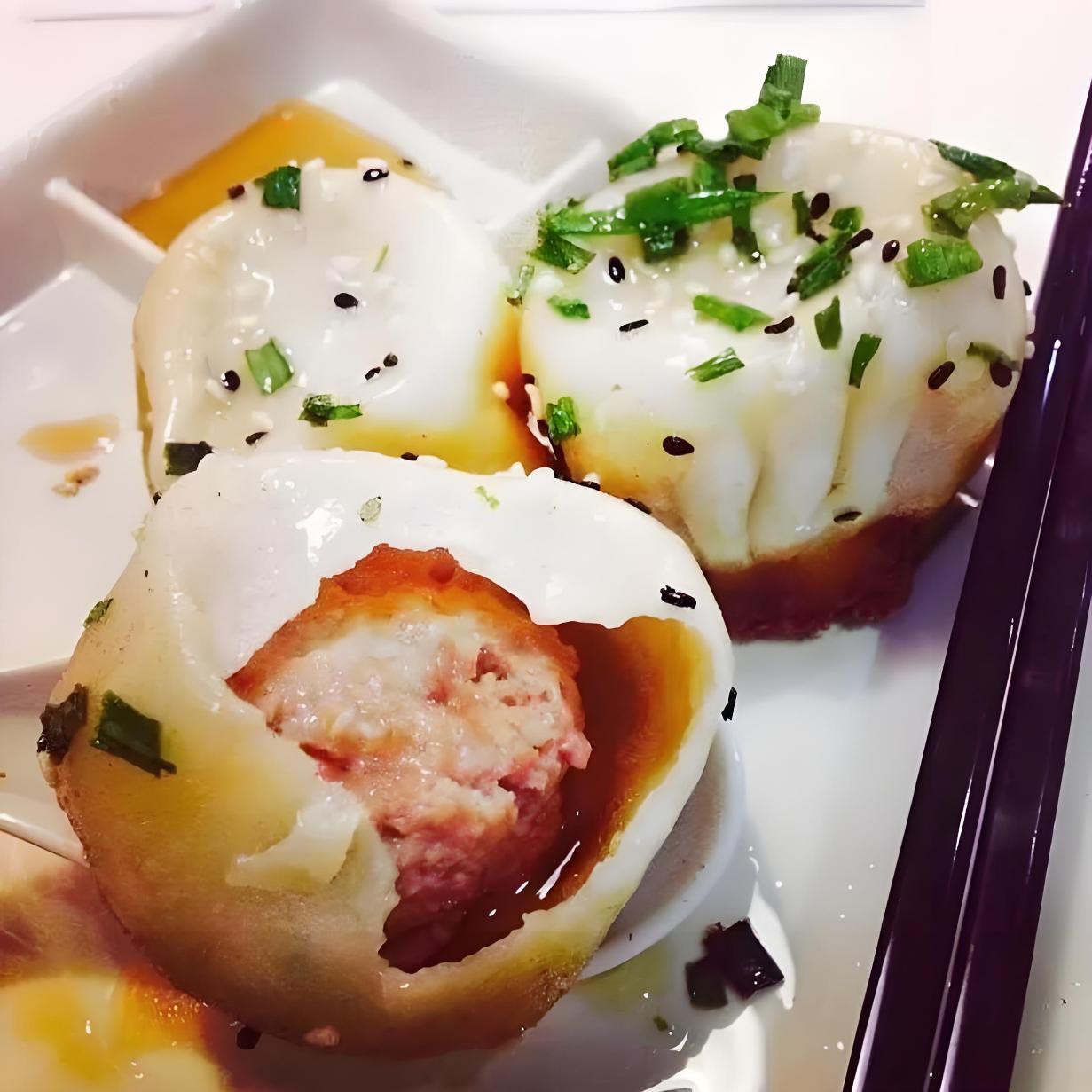
Watching Shengjianbao being prepared is an experience in itself. Cooks move quickly yet gracefully, stuffing hand-rolled dough with minced pork, scallions, and rich gelatin. The buns are tightly pinched at the top and placed on a wide, shallow skillet with a bit of oil. As they fry, water is added and the pan is covered, allowing them to steam and brown simultaneously.
The result is a masterpiece: golden brown on the bottom, soft and white on the top, filled with hot, flavorful broth and tender meat. A sprinkle of sesame seeds and chopped spring onions finishes the look and adds another layer of flavor.
The moment the buns are served, you’re greeted with a plate that’s humble in appearance but rich in taste and history.
How to Eat It (Without Burning Yourself)
Shengjianbao is delicious—but dangerous if you rush. The piping hot soup inside can easily scald an eager first-time diner. Locals have mastered the technique: gently lift the bun with chopsticks or a spoon, take a small bite from the side or top to let the steam escape, sip the broth, then enjoy the rest in one or two bites. Pairing it with a spoonful of vinegar or a dab of chili oil adds another dimension.
It’s not just a meal—it’s an experience of patience, skill, and satisfaction.
Where to Find the Best Shengjianbao in Shanghai
From humble sidewalk stalls to renowned old establishments, Shengjianbao can be found all over the city. Famous places like Xiao Yang Shengjian near People’s Square attract long lines of eager food lovers. Despite its popularity, you’ll still find countless mom-and-pop shops tucked into alleys, each with their own secret recipe passed down through generations.
If you’re exploring neighborhoods like the French Concession or Yuyuan Garden, it’s easy to stumble upon a small Shengjianbao shop surrounded by locals enjoying a quick bite. Don’t be afraid to join them—it’s one of the most authentic culinary moments you can have in Shanghai.
Why It Captivates Travelers
What makes Shengjianbao so beloved among travelers is its perfect intersection of flavor, affordability, and authenticity. It’s fast food in form but rich in heritage. It tells a story of Shanghai’s working-class roots and culinary evolution, adapting over time without losing its character.
The bun reflects the spirit of the city: efficient, multilayered, and full of surprises. Biting into one offers not just a burst of broth but a sense of place—of busy street corners, neighborhood breakfasts, and generations of craft.
What Visitors Are Saying
Travelers often describe Shengjianbao as one of the most memorable meals in Shanghai. Many are surprised by its complexity—crispy yet soft, simple yet deeply flavorful.
One visitor wrote:
“I didn’t expect to fall in love with a little fried bun, but the moment I bit into it, I knew I’d be chasing that taste again. It’s the kind of food that makes a city unforgettable.”
Another shared:
“It’s more than a snack—it’s a ritual. Watching it cook, waiting for it to cool, and then savoring the burst of broth inside—it felt like a cultural experience as much as a culinary one.”
More Than Just Street Food
In recent years, Shengjianbao has made its way into modern dining spaces and upscale interpretations. Yet, its heart remains on the streets of Shanghai. Whether you’re seated in a sleek restaurant or standing at a crowded food stall, the soul of Shengjianbao—warm, honest, and satisfying—remains unchanged.
It’s a must-try not only for the flavor but for what it represents: a bite-sized taste of Shanghai’s rich culinary legacy.
In every crispy bite, Shengjianbao tells a story—of tradition, of people, and of a city that blends history with flavor. Whether you try it at a bustling market or a quiet corner shop, it offers a true connection to the essence of Shanghai.