

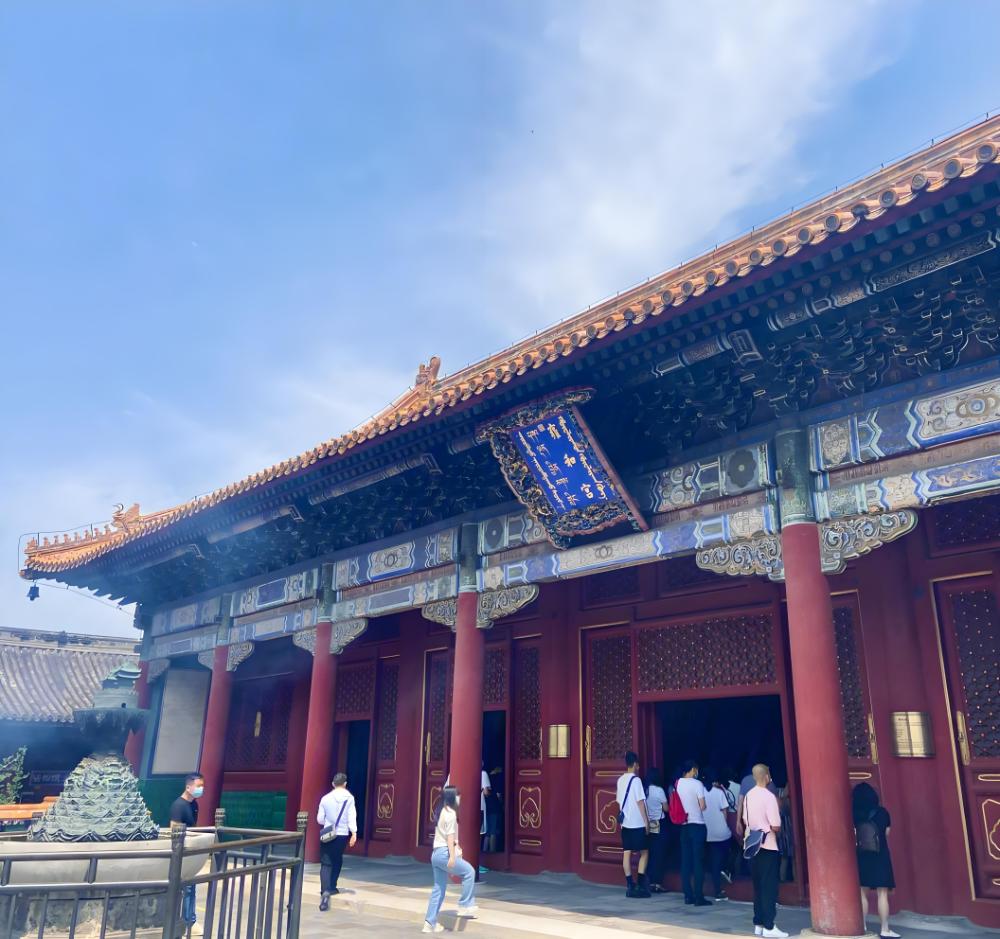
Tucked away in the heart of Beijing, Yonghe Temple—also known as the Lama Temple—is one of China’s most atmospheric and spiritually resonant sites. With its intricate architecture, deep spiritual roots, and a rich blend of Han and Tibetan cultural elements, this temple offers visitors an immersive journey into the world of Tibetan Buddhism and Qing Dynasty history.
For travelers exploring China beyond the modern skyline of Shanghai, Yonghe Temple provides a tranquil and enlightening counterpoint. A place of worship, art, and living heritage, it stands as a bridge between emperors and monks, the earthly and the divine.
Imperial Origins and Spiritual Transformation
Yonghe Temple was originally built in 1694 as the residence of Prince Yong, who would later ascend to the throne as Emperor Yongzheng of the Qing Dynasty. After his coronation, the palace was converted into a lamasery—making it the largest and most influential Tibetan Buddhist temple outside of Tibet.
This transition from imperial palace to religious sanctuary imbued the site with a dual significance: both a seat of spiritual devotion and a symbol of political unity among China’s diverse ethnic groups. Under Qing rule, Tibetan Buddhism was promoted as part of an effort to integrate Tibetan and Mongolian populations into the empire. Yonghe Temple thus became a spiritual and diplomatic nexus.
Architectural Beauty and Symbolic Detail
The temple complex unfolds through a series of grand gates, courtyards, and halls, each more ornate than the last. Bright vermilion walls, golden roofs, and intricately painted beams dazzle the eye, while fragrant incense lingers in the air. Statues of guardian lions and auspicious symbols welcome visitors at every turn.
Among its many highlights is the Hall of the Heavenly Kings, where statues of the Four Heavenly Kings stand guard, and the Hall of Harmony and Peace, which houses three bronze Buddhas representing past, present, and future. But the crown jewel is the Pavilion of Ten Thousand Happinesses, where a breathtaking 26-meter-tall statue of the Maitreya Buddha, carved from a single piece of white sandalwood, rises through three stories of the temple. This immense figure is a marvel of craftsmanship and devotion.
Living Traditions and Sacred Atmosphere
Yonghe Temple remains an active place of worship, where monks chant prayers and visitors light incense in solemn reverence. The rhythmic sounds of bells and the soft murmur of devotion create a contemplative atmosphere that invites quiet reflection.
Despite its central location in a bustling metropolis, the temple exudes a peacefulness that transcends time. Whether you follow the rituals, admire the thangka paintings, or simply sit in a shaded courtyard absorbing the serenity, there’s a palpable sense of connection to something greater.
Cultural Fusion and Symbolism
What makes Yonghe Temple especially fascinating is its seamless integration of Han Chinese and Tibetan artistic and spiritual traditions. The architecture reflects classical Chinese symmetry and grandeur, while the iconography, religious artifacts, and practices are deeply rooted in Tibetan Buddhism.
The union of these elements tells a broader story of China’s multicultural history and the Qing Dynasty’s efforts to unite its diverse subjects through shared spiritual and cultural symbols. This fusion offers visitors a chance to appreciate not just a temple, but a microcosm of Chinese religious and political philosophy.
Visitor Impressions and Lasting Impact
Many who visit Yonghe Temple are struck not only by its beauty but by the profound sense of peace and introspection it inspires. “It felt like stepping into a different world,” one traveler noted. “You’re surrounded by such rich color and detail, yet everything feels calm and meditative.”
Another shared, “I didn’t expect to be so moved. Watching people light incense, hearing the monks chant—it was a deeply spiritual experience, even as an observer.”
Visitors often rank Yonghe Temple as one of the most memorable parts of their journey, praising its harmony of aesthetics, history, and atmosphere.
How to Visit
From Shanghai, Yonghe Temple is easily accessible via a quick flight or high-speed train to Beijing. Once in the city, the temple is conveniently located near the Yonghegong Lama Temple subway station.
To make the most of your visit, try to arrive early in the day when the temple is quieter and the air is filled with morning incense. Modest attire and respectful behavior are appreciated, as this remains an active religious site.
Guided tours and audio guides are available for those wishing to delve deeper into the temple’s complex history and symbolism. Photography is allowed in certain areas, though discretion is encouraged to maintain the tranquil atmosphere.
Why It Matters
Yonghe Temple offers far more than visual splendor. It is a place of enduring belief, a convergence of dynastic legacy and spiritual devotion, and a testament to China’s cultural diversity. It reminds visitors that in the midst of rapid modern development, spaces of introspection, heritage, and sacred continuity still hold immense value.
Whether you are seeking cultural enrichment, spiritual insight, or simply a moment of peace, Yonghe Temple welcomes you with open gates and quiet wisdom. It is a journey inward as much as outward—one that resonates long after the incense smoke has faded.
As you chart your course through China, consider making space for this extraordinary temple. In its golden rooftops, echoing chants, and intricate artistry, you may just discover one of the most meaningful encounters of your travels.