

A Culinary Tradition Rooted in Tibetan Culture
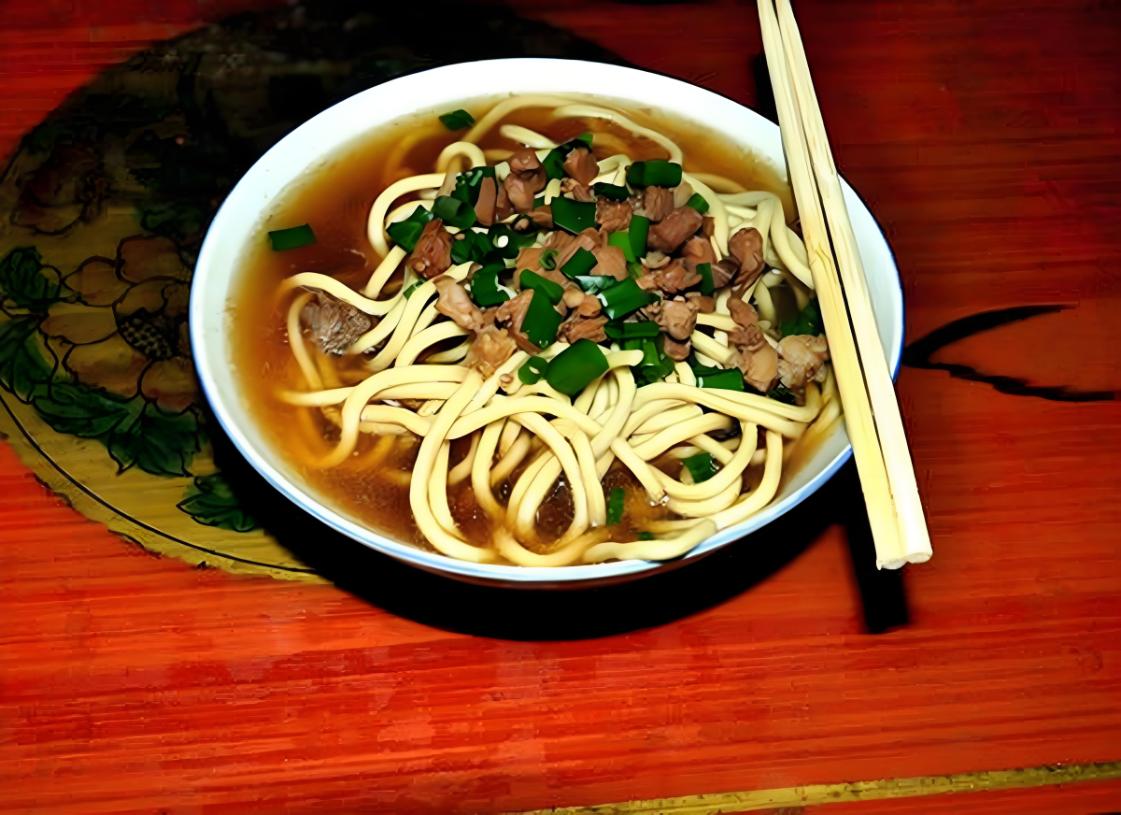
Tibetan noodles, known locally as 藏面 (Zang Mian), are a beloved breakfast staple in Lhasa. Made from alkaline noodles served in a rich yak beef broth, this dish offers a comforting and nourishing start to the day. The noodles’ firm texture combined with the hearty, flavorful soup reflects the unique culinary heritage of the Tibetan Plateau, shaped by its high-altitude environment and pastoral lifestyle.
This traditional meal has been enjoyed by locals for generations, embodying the simplicity and resilience of Tibetan food culture. For travelers seeking an authentic taste of local life, sampling Tibetan noodles is a must-have experience.
The Magic of Alkaline Noodles and Yak Beef Soup
At the heart of this dish are the alkaline noodles, made with a special type of dough that gives them a distinct chewiness and yellow hue. The alkaline water used in the dough alters the gluten structure, resulting in noodles that hold up well in hot broth without becoming soggy. This preparation technique sets Tibetan noodles apart from other regional noodle varieties.
The broth is a savory yak beef soup, slow-cooked to extract deep flavors from tender yak meat and bones. Yak beef is prized in Tibet for its richness and nutritional value, perfectly suited to support people living in high-altitude and cold climates. The soup is often lightly seasoned with Tibetan spices, allowing the natural taste of the meat to shine through.
Together, the noodles and broth create a warm, hearty meal that nourishes body and soul—an ideal breakfast for early risers preparing to explore the city or head out to the mountains.
A Hidden Gem Near Barkhor Street
One of the best places to enjoy authentic Tibetan noodles is at a small, local eatery tucked away near the famous Barkhor Street, right beside the “Ancient Tree Yogurt” stall. This modest establishment is beloved by locals and visitors alike, offering an unpretentious atmosphere and genuine flavors.
The location is perfect for those wanting to immerse themselves in Lhasa’s daily rhythms. After savoring a bowl of Tibetan noodles, visitors can stroll through Barkhor Street’s bustling market, explore nearby temples, or simply soak up the vibrant energy of this historic neighborhood.
Cultural Significance and Culinary Heritage
Tibetan noodles represent more than just a meal—they are a symbol of cultural identity and tradition. The dish reflects centuries of adaptation to Tibet’s rugged terrain and climate, where livestock like yaks have been vital to survival.
Eating Tibetan noodles is also a communal experience. In local eateries, it’s common to see neighbors and friends gathering around shared tables, engaging in lively conversation while enjoying their breakfast. This social aspect highlights the importance of food as a connector in Tibetan society.
The preparation of Tibetan noodles also showcases traditional culinary skills passed down through generations. From kneading the dough to simmering the yak broth, each step involves care and knowledge that preserves Tibetan culinary heritage.
Experience Points: What Makes It Special
Authentic Ingredients: Using yak beef and alkaline noodles ensures an authentic taste that can’t be replicated elsewhere.
Traditional Cooking Methods: The slow-cooked broth and handmade noodles highlight the craftsmanship behind Tibetan cuisine.
Location: Situated near Barkhor Street, it offers a perfect introduction to Lhasa’s historic heart.
Atmosphere: The cozy, local setting provides an intimate glimpse into everyday Tibetan life.
Value: A bowl of Tibetan noodles is not only delicious but also very affordable, making it accessible to all visitors.
Why Visitors Love Tibetan Noodles
Visitors often remark on how Tibetan noodles offer a comforting and unique culinary experience, unlike any other found in China. Many praise the dish’s rich, savory flavors and the satisfying texture of the noodles. The welcoming atmosphere of the small eatery adds to the overall enjoyment, creating memories that linger long after the meal is finished.
Travelers also appreciate the cultural insights gained from sharing a traditional breakfast with locals, feeling connected to the community through this simple yet profound ritual.
Tips for Enjoying Tibetan Noodles
Arrive early to avoid the morning rush, as the small shop can get busy during breakfast hours.
Pair the noodles with a side of local yogurt or butter tea to complete the traditional Tibetan breakfast experience.
Engage with the staff or other diners if possible—they are often happy to share stories and recommendations.
Wear comfortable shoes for exploring Barkhor Street after breakfast, as the area is best experienced on foot.
Take time to savor each bite and enjoy the warmth and hospitality that come with this humble dish.
A Taste of Tibet’s Soul
Tibetan noodles near Barkhor Street are more than just food—they are a gateway to understanding Tibetan culture, history, and daily life. This simple yet nourishing dish invites travelers to start their day with a genuine connection to the land and its people.
Whether you are wandering the sacred streets of Lhasa or preparing for a day of sightseeing, Tibetan noodles offer the perfect blend of tradition, flavor, and warmth. They stand as a testament to the enduring spirit of Tibetan cuisine and hospitality.