

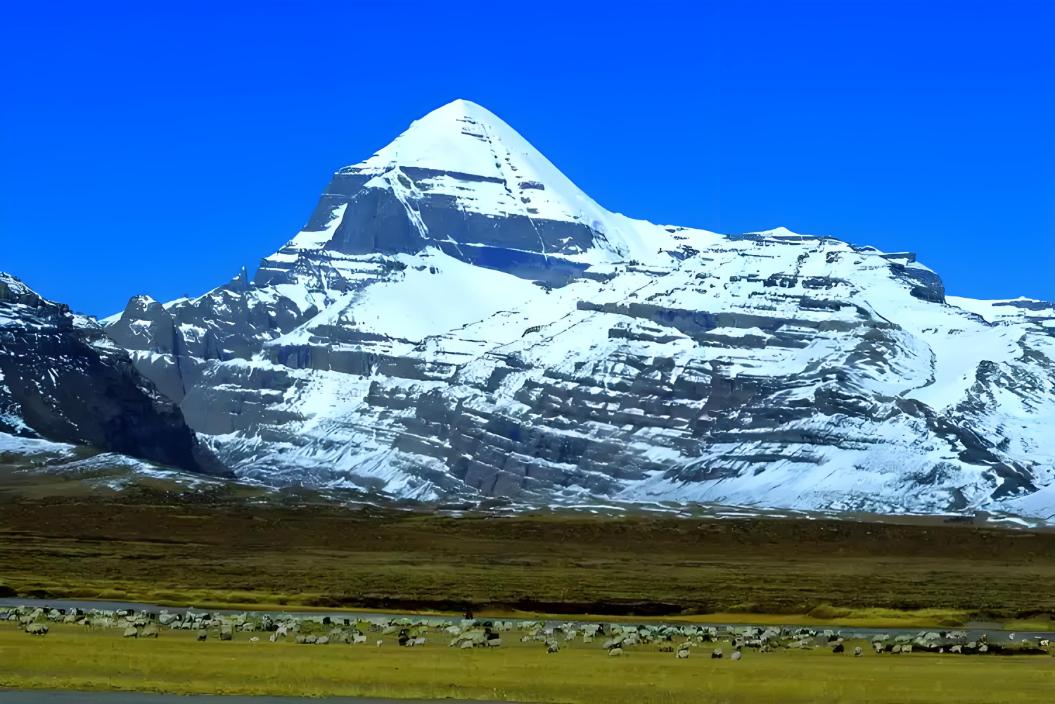
A Mountain Revered by Three Faiths
Mount Kailash stands as one of the most sacred peaks in the world, deeply revered across three major religions: Tibetan Buddhism, Hinduism, and Bon. This imposing, snow-capped mountain in western Tibet is considered the spiritual axis of the world, embodying divine power and cosmic significance. Pilgrims from diverse backgrounds come here to pay homage and engage in the ancient ritual of circumambulation, known as kora or “turning the mountain.”
The mountain’s distinct pyramid shape, soaring to 6,638 meters, has inspired countless legends and spiritual stories. For many, Mount Kailash is not only a geographical landmark but a sacred entity representing purity, enlightenment, and the journey of the soul.
The Pilgrimage: Trekking the Sacred Circuit
The main pilgrimage around Mount Kailash is a 52-kilometer trek that typically takes two to three days to complete. Known as the Kailash kora, this path winds around the mountain’s base, crossing high mountain passes and traversing breathtaking valleys. The trek is both physically challenging and deeply spiritual, demanding endurance and a reflective mindset.
Guides are highly recommended for this journey. Their knowledge ensures safe passage, helps navigate the rugged terrain, and enriches the experience with insights into the mountain’s religious importance and the customs of local communities.
Walking this path is more than a physical feat—it is a profound act of devotion and self-reflection. Many pilgrims perform the kora barefoot or carry prayer flags and beads, engaging in chanting and meditation along the way. Each step is imbued with meaning, symbolizing purification and spiritual rebirth.
Seasonal Considerations: When to Visit
The best months to undertake the Mount Kailash trek are from May to September. During this period, the weather is relatively mild and the high passes are accessible. The winter months bring heavy snowfall that closes the route and makes travel dangerous.
Travelers planning the pilgrimage should prepare for sudden weather changes even in the best season, bringing appropriate clothing and gear for cold temperatures, wind, and occasional rain. The high altitude requires acclimatization and care to avoid altitude sickness.
Historical and Cultural Significance
Mount Kailash has been a focal point of spiritual practice for millennia. In Tibetan Buddhism, it is regarded as the home of Demchok, a wrathful deity representing supreme bliss. For Hindus, it is the abode of Lord Shiva, the cosmic destroyer and transformer. The Bon religion, Tibet’s indigenous spiritual tradition, also considers Kailash the sacred nine-story Swastika Mountain.
This unique confluence of beliefs makes Mount Kailash a rare symbol of religious harmony. Pilgrims often report a deep sense of peace and interconnectedness while journeying here, united by shared reverence for this mountain.
Highlights Along the Trek
The pilgrimage route offers stunning natural beauty alongside spiritual landmarks:
Dirapuk Monastery: Located at a high pass, this monastery offers breathtaking views of Mount Kailash and a place for rest and prayer.
Zutulphuk Cave: Said to be the meditation retreat of the ancient saint Milarepa, this cave holds great spiritual importance.
Yama Pass: The highest point on the trek at about 5,630 meters, where pilgrims confront the mountain’s grandeur and test their physical limits.
Each stop along the way invites quiet contemplation, storytelling, and connection with fellow travelers.
Experiencing Local Culture
The region surrounding Mount Kailash is home to Tibetan nomads and pastoral communities who have lived in harmony with this sacred landscape for centuries. Travelers have opportunities to witness traditional ways of life, from yak herding to Buddhist rituals performed at small shrines.
Local festivals and religious ceremonies often take place around the time of the pilgrimage season, offering visitors a glimpse into vibrant cultural expressions tied to the mountain’s spirituality.
What Visitors Say
Many who complete the Mount Kailash trek describe it as a transformative experience. The combination of physical challenge, natural beauty, and spiritual depth creates memories that linger long after the journey ends. Pilgrims often mention moments of profound silence broken only by wind or prayer chants, and a sense of humility in the presence of such an ancient sacred site.
Some highlight the warmth and hospitality of the local people, whose generosity enhances the journey. Others reflect on the camaraderie formed with fellow pilgrims from around the world, bonded by a shared purpose.
Practical Tips for the Journey
Plan acclimatization days before starting the trek to adjust to high altitude.
Bring layered clothing, sturdy hiking boots, and sun protection.
Carry sufficient water and snacks, though there are basic tea houses along the route.
Respect local customs and religious practices, maintaining quiet reverence especially near monasteries and holy sites.
Hire a knowledgeable guide to ensure safety and enrich your understanding of the mountain’s significance.
Prepare physically for demanding climbs, especially at the high passes.
A Journey of Heart and Spirit
The Mount Kailash trek is not merely a hike; it is a pilgrimage that calls to the heart as much as the legs. It invites those who undertake it to confront their limits, reflect on life’s deeper meanings, and connect with a heritage thousands of years old. Whether approached from a religious perspective or as a profound adventure, the journey around Mount Kailash offers an unparalleled experience of nature, culture, and spirituality in the heart of Tibet.