

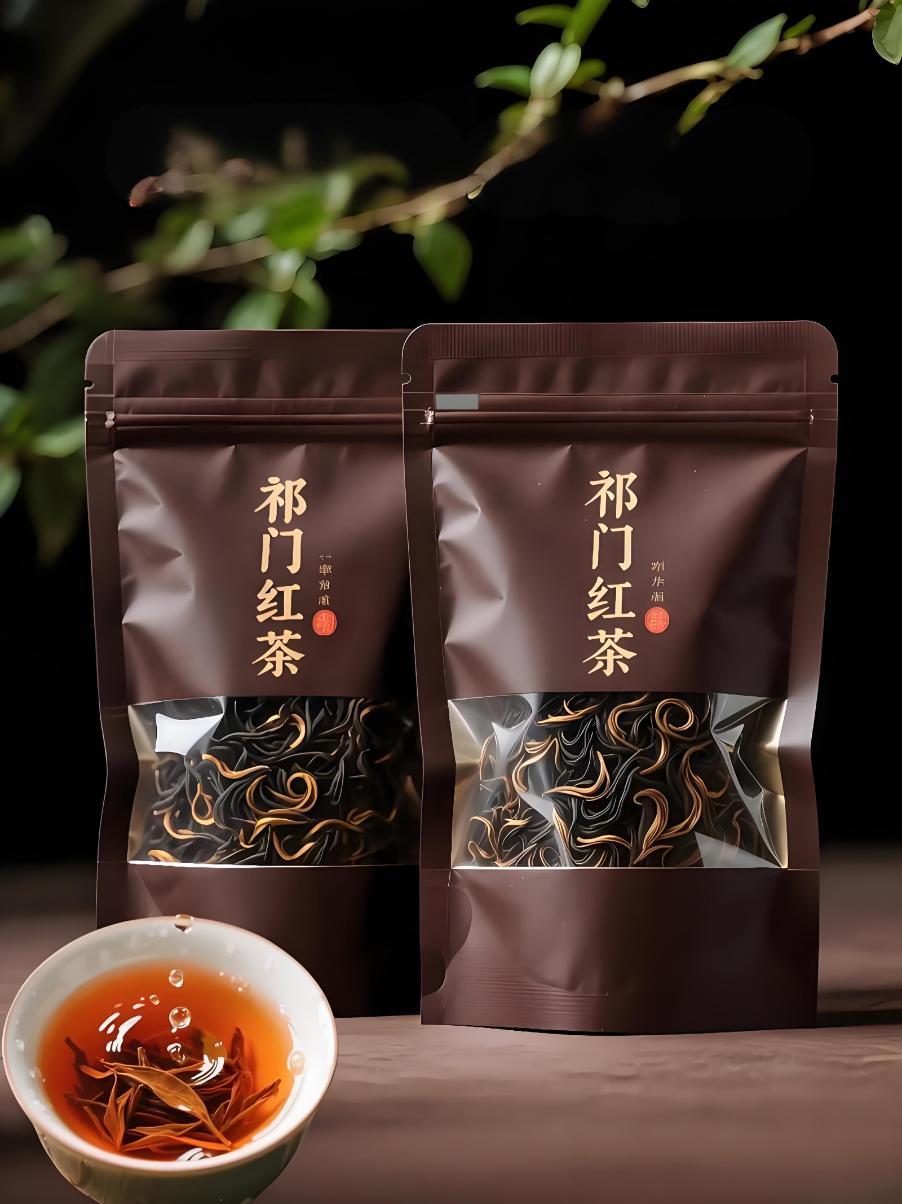
A Royal Legacy in Every Cup
Among the world’s great black teas, Qimen Black Tea (祁门红茶) stands out with a regal reputation and an unmatched elegance. Hailing from the rolling hills of Qimen County in southern Anhui Province, this tea has long been celebrated for its sophisticated aroma, silky body, and remarkable balance. It’s often referred to as the “Queen of Black Tea,” a title earned not only for its noble character but also for the fact that it was said to be a favorite of Queen Elizabeth II.
With a history rooted in imperial China and a global presence in European royal courts and luxury tea salons, Qimen Black Tea offers far more than a refined flavor. It embodies centuries of craftsmanship, cultural exchange, and a deep sense of place. A journey into Qimen’s tea country is a journey into one of the world’s most treasured tea traditions.
The Fragrance That Captivated the World
What makes Qimen Black Tea so beloved is its distinctive aroma—often described as fruity, floral, and subtly smoky, with hints of honey, dried plum, and orchid. This fragrance, known in Chinese as Qihong Xiang (祁红香), is entirely natural and arises from the unique terroir of Qimen: misty mountains, mineral-rich red soil, cool temperatures, and clean air.
The tea leaves are handpicked in early spring and undergo a meticulous process of withering, rolling, oxidation, and drying. The oxidation step is particularly crucial, transforming the fresh green leaves into rich black tea and unlocking the complex layers of flavor and scent. The final product brews into a reddish-amber liquor with a mellow taste, a gentle briskness, and a long, fragrant finish.
From Imperial Tribute to International Acclaim
Qimen Black Tea’s history begins in the late 19th century, during the Qing Dynasty. Prior to that time, Anhui was known primarily for green tea. But in 1875, a visionary tea farmer named Yu Ganchen studied black tea production methods from Fujian and introduced them to Qimen. The result was extraordinary—a new style of black tea that combined the delicacy of green tea with the richness and structure of black.
Within a few decades, Qimen Black Tea had become a sensation at international expos and European tea markets. It earned medals at the Panama-Pacific Exposition and was soon exported to England, where its refined profile made it a favorite among the aristocracy. It was even blended into classic English breakfast teas and Earl Grey, but connoisseurs always sought out the pure leaf Qimen for its elegance.
Today, Qimen remains a symbol of high-quality Chinese black tea and is designated as a National Geographic Indication product, meaning its authenticity is protected and its production methods carefully preserved.
Tea Experiences in Qimen: Living the Tradition
A visit to Qimen is not just a trip to a tea-producing region—it’s an immersion into a living tradition. Rolling hills blanketed in emerald tea bushes stretch across the landscape, dotted with old villages where tea making has been the way of life for generations. Stone paths lead through terraces of tea gardens, shaded by ancient trees and surrounded by bamboo groves.
Visitors can join local tea farmers during harvest season to pick the tender leaves—two young leaves and a bud are the gold standard for top-quality Qimen tea. Walking barefoot through the dew-covered tea fields in the early morning is an unforgettable experience, as the soft mist clings to the leaves and the only sounds are birdsong and the rustle of baskets filling with fragrant shoots.
In traditional tea workshops, guests are invited to learn the steps of handcrafting Qimen Black Tea. These experiences are hands-on: gently rolling the leaves to bruise them, sensing the right level of oxidation by aroma and texture, and firing them in large woks until they’re crisp and aromatic. Tea masters explain each step in detail, often sharing family secrets passed down through the generations.
Tasting the Essence of Qimen
No visit would be complete without a proper tasting session, and Qimen does this in style. Tasting is often done in traditional teahouses built from wood and stone, with wide views of the mountains. The tea is brewed with great care: water temperature, steeping time, and vessel choice are all considered part of the ritual.
The first sip offers a soft warmth, followed by a gentle sweetness and floral lift. The aftertaste is lingering, clean, and almost meditative. Many say that Qimen Black Tea doesn’t overwhelm the senses—it enchants them. It invites slow drinking and quiet conversation.
In modern tea salons and boutique accommodations, visitors can also try tea pairings with local snacks or sweets, such as glutinous rice cakes or sesame pastries. Some chefs in the region even incorporate Qimen tea into desserts or savory sauces, offering a creative twist on tradition.
What Travelers Say
Guests often express surprise at how layered and nuanced Qimen Black Tea is compared to mass-market teas they’ve tried before. “I never knew black tea could be this delicate,” said one traveler after a tasting session. Another noted, “It has the fragrance of a perfume, but in a cup. Drinking it here, in the mountains where it’s grown, adds so much depth.”
Many are moved by the stories of the tea families—how grandparents taught them how to roll the leaves by hand, how every part of the process is done with respect and intention. The human connection, combined with the breathtaking landscape and historical richness, creates an emotional resonance that lasts far beyond the trip.
Why Qimen Black Tea is Worth Discovering
For those who value authenticity, flavor, and cultural depth, Qimen Black Tea offers a unique and enriching experience. It’s not just about tasting a world-class tea—it’s about understanding its origins, meeting the people who keep the tradition alive, and stepping into a rhythm of life that has remained beautifully unchanged for over a century.
In the tea fields of Qimen, history is not preserved in books but in buds, hands, and hearths. And in each cup of this velvety, aromatic tea, one can sense the elegance of emperors and queens, the patience of artisans, and the soul of a mountain that continues to inspire with every leaf.