

A Tea with a Mountain’s Spirit
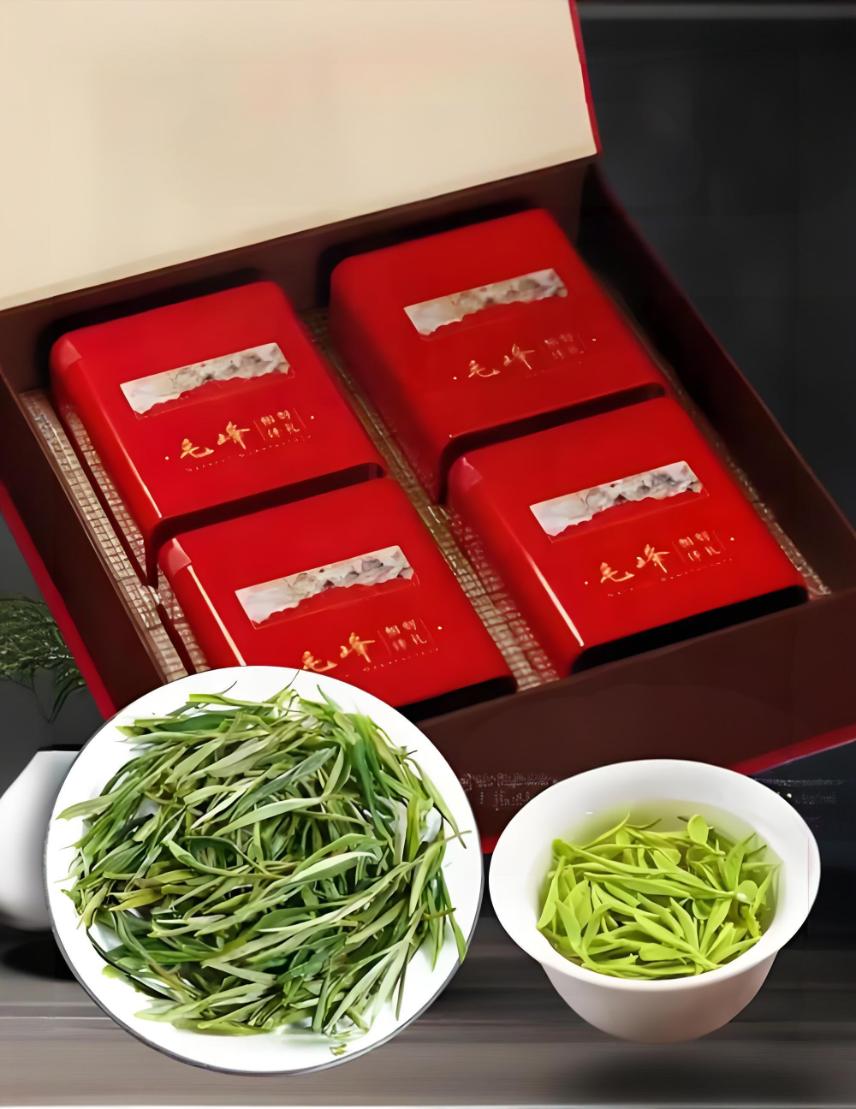
Nestled in the misty valleys of the Yellow Mountains, Huangshan Maofeng tea is among China’s most revered green teas. Its name means “Yellow Mountain Fur Peak,” a poetic reference to the tea’s slender, slightly curved leaves that resemble mountain peaks covered in delicate white fuzz. Prized for its elegant aroma, refreshing sweetness, and lingering floral notes, Huangshan Maofeng is more than just a beverage—it’s a living symbol of Anhui’s cultural and natural heritage.
What elevates the experience of this tea beyond sipping is the chance to visit a tea farmer’s home, where visitors can witness and participate in the art of handcrafting the tea itself. This immersive encounter connects people not only to a product but to a tradition passed down for generations. In the quiet, terraced hills outside of Huangshan, the journey into tea becomes a journey into history, craftsmanship, and community.
The Landscape Behind the Leaves
Huangshan Maofeng grows at elevations between 700 and 1,200 meters, where dense fog, pure spring water, and fertile mountain soil create the ideal environment for tea cultivation. The cool climate and high humidity slow the growth of the tea leaves, concentrating their flavor and aroma. Harvest typically begins around the Qingming Festival in early April, when only the youngest buds and one or two tender leaves are plucked.
The surrounding landscape plays a vital role in shaping the tea’s character. The same clouds that shroud the mountain peaks also envelop the tea gardens, infusing the leaves with a clean, crisp fragrance. The nearby pine forests, granite cliffs, and bamboo groves form a dramatic backdrop, and the rhythm of daily life in these villages still follows the seasonal cycle of the tea.
Hands-On Experience: From Leaf to Cup
Visiting a tea farm in the Huangshan region opens up a rare and intimate experience: the opportunity to pick, pan-fire, and roll tea alongside the artisans who have spent their lives refining this skill. The tea farmers welcome visitors into their homes and workspaces, often located directly beside their terraced plots. A typical visit includes a walk through the fields to harvest fresh leaves, followed by a lesson in traditional tea processing techniques.
One of the most memorable parts of this experience is learning how to shāqīng—the pan-firing process that halts the leaf’s oxidation. It takes place over a large, gently heated wok. Under the guidance of the tea master, visitors learn to gently stir and press the leaves using only their hands, carefully controlling the temperature and pressure. The leaves must be evenly dried while preserving their shape and aroma—a process that demands both patience and finesse.
Next comes rolling, the step that gives Huangshan Maofeng its signature needle-like form. Watching the leaves twist under the hands of a skilled tea maker is like witnessing a dance: fluid, practiced, and precise. These simple but elegant steps are the core of what transforms fresh leaves into tea with soul.
Tea Tasting in the Heart of the Mountains
After the hard work of hand-firing and rolling, visitors are invited to sit down and taste the tea they helped produce. It’s often served in a simple glass, allowing the unfurling leaves to be seen clearly—a visual reminder of their delicate craftsmanship. The first sip reveals layers of flavor: a light orchid aroma, a soft sweetness, and a refreshing, almost mountain-spring-like cleanness.
What makes the tasting even more special is the setting. Many tea farmers brew tea on their wooden porches or in rustic garden pavilions overlooking the misty hills. Birds chirp, bamboo rustles in the breeze, and the calm is almost meditative. For many, this is not just tea tasting—it’s tea appreciation, a moment of mindfulness that connects nature, people, and craft.
Cultural Depth and Generational Knowledge
Tea is not merely a drink in China; it is an expression of philosophy, hospitality, and aesthetics. In Huangshan, tea families often pass down their knowledge through generations, and each household might have its own variation in processing, a preferred growing spot, or a local story about a legendary harvest.
Visitors gain insight into these personal histories, often hearing tales of grandparents who taught them the old ways, or of the challenges of maintaining traditional methods in a modernizing world. These stories deepen the appreciation of Huangshan Maofeng, giving it layers beyond the cup—layers of resilience, pride, and enduring connection to the land.
Some homes even display antique tea-making tools, bamboo baskets from decades ago, or old photos of family members in the fields. This adds a museum-like quality to the visit, but one that is alive and in use. It’s not about nostalgia—it’s about continuity.
What Visitors Say
Those who take part in the tea-making experience often describe it as the highlight of their time in China. The personal interaction with the tea farmers is frequently cited as the most meaningful aspect. “I didn’t just drink tea—I understood it,” one visitor remarked. Another said, “When I held the leaves in the pan, I felt connected to the mountain. I’ll never drink green tea the same way again.”
The simplicity of the experience—earth, fire, leaf, hand—is what makes it so powerful. There is no commercial polish here, just authenticity, hospitality, and the beauty of doing something slowly and with care. Many visitors leave with a small pouch of their own handmade tea, proudly labeled with their name and the date—a rare souvenir that carries the scent of the mountains and the warmth of its people.
Why It’s Worth the Journey
Exploring Huangshan Maofeng at its source is about more than tea. It’s about immersion into a rhythm of life that honors nature, mastery, and respect for heritage. Whether you are a tea enthusiast or simply curious, the act of participating in this process allows for a deeper appreciation of not only the beverage but the entire culture that surrounds it.
The mountains may be steep, the paths winding, but at the end of the trail lies something profound—a cup of tea that tells the story of misty mornings, hard-earned skill, and a way of life rooted deeply in the land.