

Cultural and Historical Significance
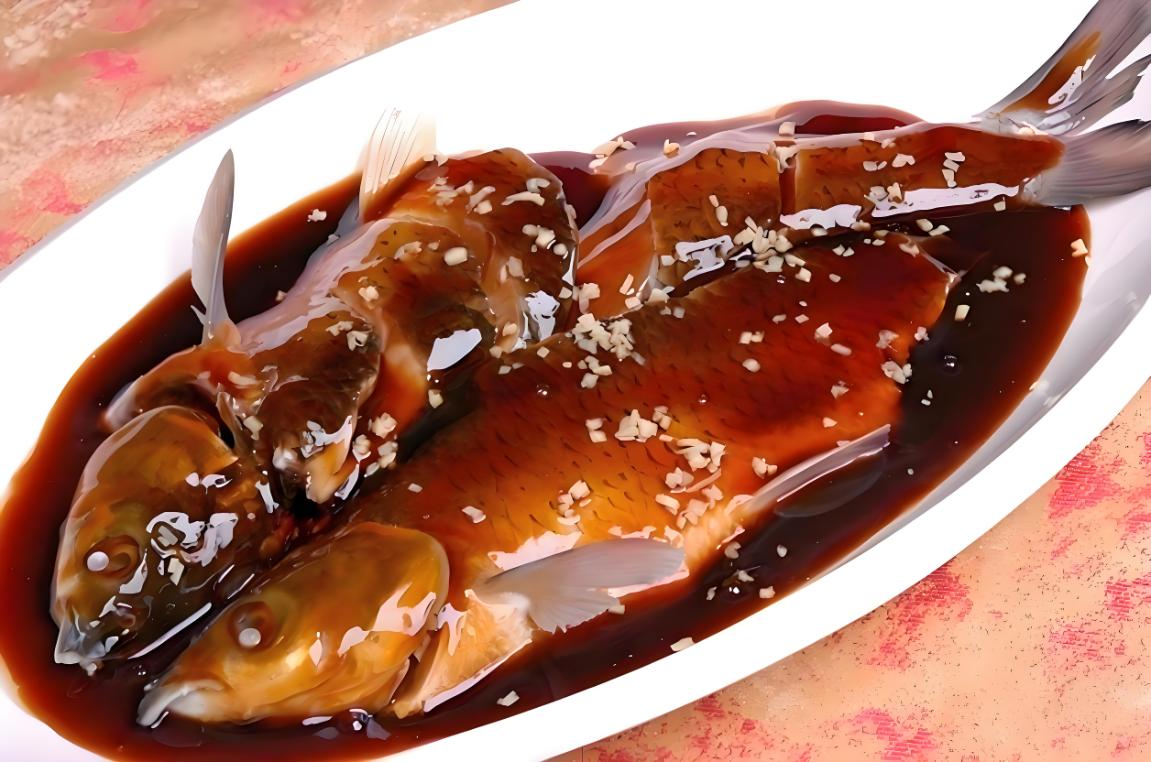
West Lake Vinegar Fish, known locally as Xi Hu Cu Yu, is a signature dish of Hangzhou cuisine that has enchanted generations with its delicate flavor and rich cultural roots. The dish features fresh, wild crucian carp caught from the serene waters of West Lake itself, prepared with a distinctive sweet and sour sauce that highlights the natural sweetness of the fish.
The origins of West Lake Vinegar Fish date back several centuries, rooted in the culinary traditions of the Zhejiang province. It is said to have been favored by emperors and scholars alike, including the famous poet Su Dongpo, whose contributions to Hangzhou’s culture extend to the culinary arts. The dish’s popularity has endured because it reflects the region’s emphasis on fresh, local ingredients and balanced flavors that are neither overpowering nor heavy.
As a representative of Hangzhou’s cuisine, West Lake Vinegar Fish embodies the philosophy of harmony between nature and food. Using the wild fish from West Lake honors the natural environment, while the light and appetizing sauce offers an accessible taste that appeals broadly.
Unique Features and Flavor Profile
What sets West Lake Vinegar Fish apart from other fish dishes is its use of wild crucian carp and the unique vinegar-based sauce. The fish is prized for its tender, flaky flesh that cooks quickly and absorbs the flavors of the sauce beautifully. Unlike heavily spiced or oily dishes, this preparation focuses on freshness and subtlety.
The sauce combines black vinegar, sugar, and a touch of soy sauce to create a balanced sweet and sour taste. The acidity of the vinegar brightens the flavor, while the sugar adds a gentle sweetness that complements the mild fish without overwhelming it. This makes the dish especially appealing to those who prefer lighter, non-spicy foods.
The cooking technique is also important — the fish is usually steamed or gently fried before being coated in the sauce, preserving its moisture and texture. The result is a dish that is visually appealing with a glossy sauce and tender, aromatic fish.
Cultural and Humanistic Aspects
West Lake Vinegar Fish is more than just a dish; it represents Hangzhou’s deep connection with West Lake, one of China’s most treasured scenic spots. The fish used in the dish is traditionally sourced from the lake, tying the culinary experience directly to the natural landscape. This connection fosters a sense of place and tradition, emphasizing respect for local resources and culinary heritage.
In addition, the dish has symbolic meanings. The fish is often associated with abundance and prosperity in Chinese culture. Serving West Lake Vinegar Fish during celebrations or special meals conveys wishes for good fortune and happiness.
This dish also reflects the slow-paced, contemplative lifestyle associated with Hangzhou and West Lake, where food is savored and appreciated as part of a broader cultural experience. It represents hospitality and the art of dining as a refined pleasure.
Where to Experience West Lake Vinegar Fish
The best places to enjoy authentic West Lake Vinegar Fish are the traditional restaurants and tea houses around West Lake and in downtown Hangzhou. Many establishments have passed down the recipe through generations, maintaining a commitment to quality and authenticity.
Dining near West Lake itself offers a magical ambiance, with views of the water, gardens, and historic bridges enhancing the sensory experience. Sampling this dish while overlooking the lake connects visitors not only to the flavors but also to the rich cultural heritage of the area.
Popular spots range from elegant dining rooms serving refined versions of the dish to lively local eateries where the atmosphere is casual and welcoming. This diversity allows visitors to choose their preferred style of dining while tasting this iconic dish.
Attractions and Features of West Lake Vinegar Fish
The dish stands out for its perfect harmony of taste and presentation. The glistening sauce and carefully arranged fish create an inviting appearance, while the aroma of the vinegar and sugar blend tempts the palate.
Pairing the dish with other Hangzhou specialties like Dongpo pork or Longjing shrimp enhances the culinary journey, offering a taste of the region’s rich gastronomic traditions.
Beyond its flavor, the dish invites reflection on the local culture. The use of wild fish from West Lake underscores a respect for the environment, while the sweet and sour sauce exemplifies the balanced, elegant flavors prized in Zhejiang cuisine.
Enjoying West Lake Vinegar Fish is an invitation to slow down and appreciate the finer details of cooking, presentation, and taste.
Visitor Experiences and Impressions
Many visitors find West Lake Vinegar Fish to be a delightful introduction to Hangzhou cuisine. Its mild, sweet, and sour flavor profile is approachable, making it suitable for a wide range of palates. The freshness of the fish often receives praise, especially when served in lakeside restaurants that source directly from West Lake.
Guests often mention the connection between the dish and the stunning surroundings of West Lake as a highlight of their dining experience. Eating this traditional meal while overlooking the water creates a memorable sensory blend of taste, sight, and atmosphere.
Visitors appreciate how the dish reflects the city’s harmonious blend of nature, culture, and culinary excellence. It offers a delicious and meaningful way to engage with Hangzhou’s heritage.
Tips for Enjoying West Lake Vinegar Fish
To fully enjoy West Lake Vinegar Fish, it is best to savor it slowly, appreciating the balance of flavors and the freshness of the fish. Pairing the dish with a light jasmine tea or a local Longjing tea complements the meal without overpowering the delicate taste.
Visiting a restaurant with a view of West Lake during meal time adds an unforgettable ambiance. Morning or early evening visits can be particularly enchanting as the soft light enhances the dining experience.
If possible, inquire about the source of the fish to deepen your understanding of the connection between the dish and the local environment. Learning about the preparation and cultural background enriches the appreciation of this culinary treasure.