
A Living Painting in the Heart of the City
West Lake in Hangzhou is more than a scenic body of water—it is a living embodiment of Chinese beauty, history, and philosophy. Often described as “Heaven on Earth,” West Lake is one of the most iconic cultural landscapes in China, where nature and humanity have coexisted in perfect harmony for centuries. Its legendary scenery, steeped in poetry and myth, offers a deeply enriching experience for those seeking tranquility and a connection with Chinese tradition.
Cultural Legacy and Historical Significance
West Lake has captivated Chinese scholars, poets, and emperors for more than two thousand years. Its history stretches back to the Qin Dynasty, but it gained widespread acclaim during the Tang and Song Dynasties, when it became a center for literary and artistic expression. Renowned figures like Bai Juyi and Su Dongpo left their poetic marks here, shaping the lake’s cultural identity.
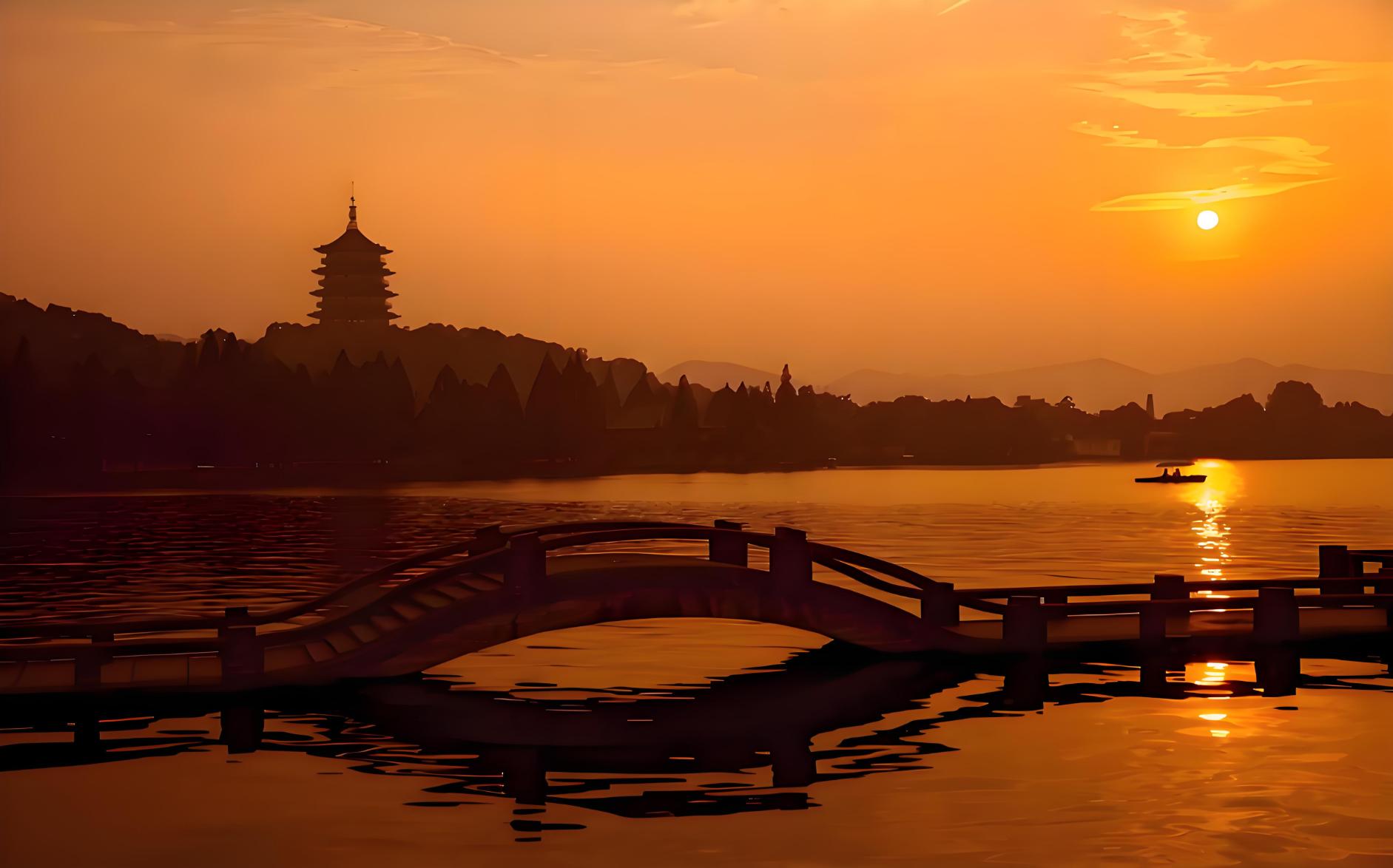
During the Song Dynasty, Su Dongpo undertook major efforts to dredge and improve the lake, creating the now-famous Su Causeway. His contributions not only preserved the beauty of West Lake but also reflected the Confucian ideal of public service. The Qing emperors later named and celebrated the “Ten Scenes of West Lake,” many of which still enchant visitors today—such as “Lingering Snow on the Broken Bridge” and “Leifeng Pagoda in the Sunset Glow.”
A Place Where Nature and Art Converge
One of the most compelling aspects of West Lake is how human-made features integrate seamlessly with the natural environment. Stone bridges, pagodas, willow trees, and lotus-filled ponds create a scene that feels lifted from a classical ink painting. The landscape design follows traditional Chinese aesthetics, emphasizing symmetry, symbolism, and seasonal variation.
Every detail of West Lake tells a story. The Broken Bridge, for example, is tied to the romantic Legend of the White Snake, while the Three Pools Mirroring the Moon on Xiaoying Island has been used for centuries in Mid-Autumn Festival celebrations, with floating lanterns reflecting in the water. These are not just scenic spots—they are cultural metaphors brought to life.
Memorable Ways to Experience the Lake
Visitors have numerous ways to immerse themselves in the magic of West Lake. One of the most popular experiences is a hand-rowed boat ride across the calm waters. These traditional boats offer intimate views of the islands, causeways, and pavilions scattered across the lake, all while providing a peaceful escape from the city’s rhythm.
Strolling or cycling along the Su Causeway is another favorite activity. In spring, the path is lined with peach blossoms and willows swaying gently in the breeze. Autumn paints the trees in gold and crimson, while winter often brings a light mist, lending the lake an ethereal quality.
For those who prefer an immersive cultural experience, the “Impression West Lake” night performance is a must. Set directly on the lake and directed by Zhang Yimou, the show blends music, dance, and water to portray local legends and historical tales in an unforgettable way.
Legends and Local Identity
West Lake is deeply rooted in Chinese folklore. The legend of the White Snake, a love story between a human and a spirit, has been passed down for centuries and remains one of China’s most beloved romantic tales. The tale adds depth to the Broken Bridge, where the lovers are said to have first met and later parted.
Leifeng Pagoda, standing on the southern bank, is also woven into the story. Destroyed in the early 20th century and rebuilt in 2002, the pagoda is a symbol of redemption and transformation. Climbing it provides panoramic views of the lake and surrounding hills, offering a moment of reflection and awe.
A Window into Chinese Philosophy
West Lake represents more than just aesthetic beauty; it is an expression of philosophical ideas. Confucian, Daoist, and Buddhist values are all present in the way the lake has been preserved and celebrated. The harmony between people and nature, the reverence for history, and the emphasis on spiritual calmness make West Lake a sanctuary for contemplation.
Tea culture is also an essential part of the West Lake experience. Nearby Longjing (Dragon Well) Village produces some of the most prized green tea in China. Sitting in a lakeside tea house, sipping freshly brewed Longjing while watching the sunset, is both a sensory and cultural delight.
What Visitors Say
Visitors consistently describe West Lake as peaceful, poetic, and unforgettable. Many are struck by how accessible the lake is, despite its fame—whether walking, biking, or boating, it feels welcoming and unhurried. The blend of natural beauty and historical charm leaves a lasting impression, with many travelers returning in different seasons to witness the lake’s changing moods.
Mornings are calm, ideal for photography and quiet reflection. Afternoons bring families and couples to the shaded paths, while evenings transform the lake into a realm of soft lights and floating reflections. The variety of experiences ensures that no two visits feel the same.
Surrounding Attractions and Cultural Sites
West Lake is more than just water—it is surrounded by a rich tapestry of temples, gardens, and museums. Lingyin Temple, one of China’s most important Buddhist monasteries, lies just a short drive away. Founded over 1,600 years ago, the temple is nestled in a quiet valley filled with ancient stone carvings and incense-filled halls.
The China National Tea Museum and the China National Silk Museum, both located near the lake, offer deeper insights into Hangzhou’s traditional industries. Visiting these institutions adds context to the lake’s cultural background and enhances the overall journey.
A Timeless Masterpiece
In 2011, West Lake was officially recognized by UNESCO as a World Cultural Heritage site. The designation honors not just its scenic beauty but its role as a model for garden design across East Asia. The lake has influenced countless other parks and poetic landscapes in China and beyond, solidifying its place in global cultural history.
Yet despite its international recognition, West Lake retains an authentic local atmosphere. It is still a beloved place for morning tai chi, casual family outings, and moonlit boat rides. It offers the rare combination of grandeur and intimacy, where grand stories and quiet moments coexist.
The Heartbeat of Hangzhou
West Lake is not simply a place to visit—it is a place to feel. It embodies the artistic soul of Hangzhou and invites every traveler into a moment of calm, reflection, and cultural discovery. Whether watching snow fall on the Broken Bridge, listening to ancient legends beside the Leifeng Pagoda, or floating across still waters under the moonlight, West Lake offers a timeless journey into the essence of Chinese beauty.