

A Monument to Tibetan Architecture and Spirituality
Nestled in the heart of Shigatse, Tibet’s second-largest city, Tashilhunpo Monastery stands as a towering testament to Tibetan architectural brilliance and religious devotion. Founded in the 15th century by the first Dalai Lama, it is the official seat of the Panchen Lama, one of Tibetan Buddhism’s most revered spiritual leaders. The monastery’s rich history and stunning architecture offer a deep connection to the region’s spiritual life and make it a must-visit destination for those seeking both cultural immersion and awe-inspiring sights.
The Grand Scale of Tashilhunpo
Tashilhunpo is an architectural masterpiece that showcases the grandeur of Tibetan Buddhist design. With its intricate buildings, expansive courtyards, and stunning murals, the monastery offers visitors a deep dive into the religious and cultural practices that have shaped Tibetan life for centuries. The monastic complex sprawls across a vast area, featuring a blend of temples, shrines, and dormitories, all radiating the distinct features of Tibetan architectural aesthetics, such as golden roofs, prayer wheels, and towering stupas.
Its scale and beauty make it a key site for pilgrims and travelers alike. The atmosphere of serenity and spirituality that surrounds the monastery is palpable as one steps onto its grounds, where monks in vibrant robes go about their daily routines, chanting prayers and offering devotion.
The Majestic Jampa Buddha Hall
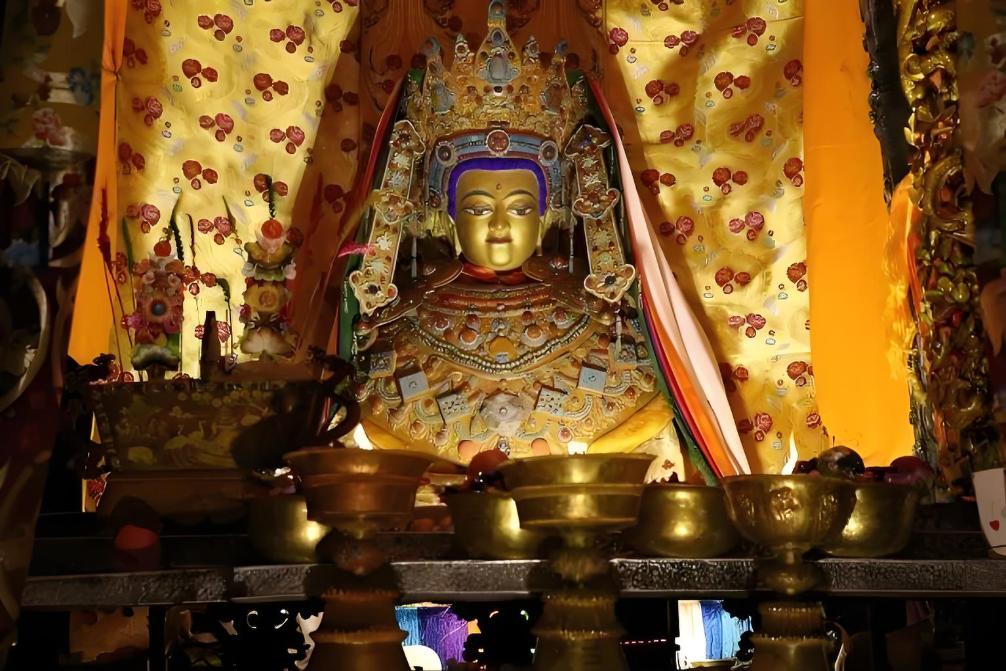
One of the most striking features of Tashilhunpo Monastery is the Jampa Buddha Hall, home to the world’s largest copper statue of the Maitreya Buddha, also known as the Future Buddha. This colossal statue, standing at an astonishing height of 26 meters, captures the essence of Tibetan Buddhist art and devotion. Crafted from copper and adorned with gold leaf, the statue exudes a sense of both tranquility and power, embodying the compassion and wisdom of Maitreya.
Visitors who enter the hall are often taken aback by the sheer scale of the statue. Its presence is overwhelming, drawing individuals into a contemplative state that is almost meditative. The hall itself, with its intricate frescoes and sacred atmosphere, is a place of profound reverence.
Exploring the Monastery’s Cultural Heritage
Beyond its physical beauty, Tashilhunpo is a repository of Tibetan culture and history. Within its walls are numerous artifacts, religious texts, and relics that provide a window into the spiritual and cultural development of Tibet. The monastery houses an extensive collection of sacred scriptures and Thangka paintings, each one telling a story of Tibetan Buddhism’s evolution and the lives of its revered figures.
Pilgrims who visit Tashilhunpo often take part in rituals such as circumambulating the sacred sites and offering prayers. The most prominent of these is the Kora, a pilgrimage route that winds around the monastery, allowing devotees to make offerings and prayers as they walk.
The Panchen Lama’s Seat of Power
Tashilhunpo Monastery is also deeply tied to the political and spiritual life of Tibet. It is the seat of the Panchen Lama, who is considered one of the highest spiritual leaders in Tibetan Buddhism, second only to the Dalai Lama. The relationship between the Dalai Lama and the Panchen Lama has played a significant role in Tibetan political and religious history, and Tashilhunpo has remained at the center of this dynamic.
The Panchen Lama’s official residence within the monastery is both a place of spiritual leadership and political influence, and visitors often feel a sense of awe when approaching this sacred space. The monks and officials who live here maintain a strong connection to the monastery’s traditions, keeping the spiritual practices alive for both locals and visitors alike.
The Rituals of Daily Life
One of the most compelling aspects of Tashilhunpo Monastery is the opportunity to witness the daily lives of the monks. Early mornings bring the sounds of prayer chants and the rhythmic beat of drums as the monks begin their day with meditation and offerings. It is a beautiful sight to behold as monks gather in the temple courtyards, their colorful robes creating a vivid contrast against the backdrop of the mountains.
Visitors to Tashilhunpo can observe these rituals, experiencing firsthand the spiritual devotion that shapes Tibetan life. Whether it’s a quiet moment of reflection or joining in a communal prayer session, the monastery offers a deep and immersive cultural experience.
A Gateway to Tibetan Spirituality
Tashilhunpo Monastery is more than just a religious site—it is a living testament to the enduring strength and beauty of Tibetan Buddhism. Its rich history, breathtaking architecture, and spiritual significance make it one of Tibet’s most important and awe-inspiring destinations.
Visitors to Tashilhunpo are often struck not only by the grandeur of the monastery but also by the deep sense of peace and reverence that pervades the site. Whether it’s the magnificent Jampa Buddha statue, the intricate murals, or the daily rituals of the monks, there is a profound sense of connection to something greater—an invitation to step into a world where faith and tradition intertwine.
Tashilhunpo Monastery remains a powerful symbol of Tibetan culture, offering travelers the chance to witness the profound spirituality of Tibet’s past and present. For those seeking a deeper understanding of Tibetan Buddhism and a taste of the region’s rich cultural heritage, Tashilhunpo is an experience that will stay with them long after their visit.
Planning Your Visit
To visit Tashilhunpo Monastery, it is best to allow a full day to explore its vast grounds. The best time to visit is during the spring and autumn months when the weather is most favorable for exploring the outdoor courtyards and temples. It is also advisable to check with local guides or monasteries for any special events or religious ceremonies happening during your visit. As with many sacred sites in Tibet, respect for the local customs and traditions is of utmost importance, and visitors should be mindful of their surroundings, especially during prayer times.
Tashilhunpo Monastery is an extraordinary destination for those interested in Tibetan history, spirituality, and architecture. It offers a chance to experience Tibetan culture in its purest form, making it an unforgettable highlight of any journey through Tibet.