

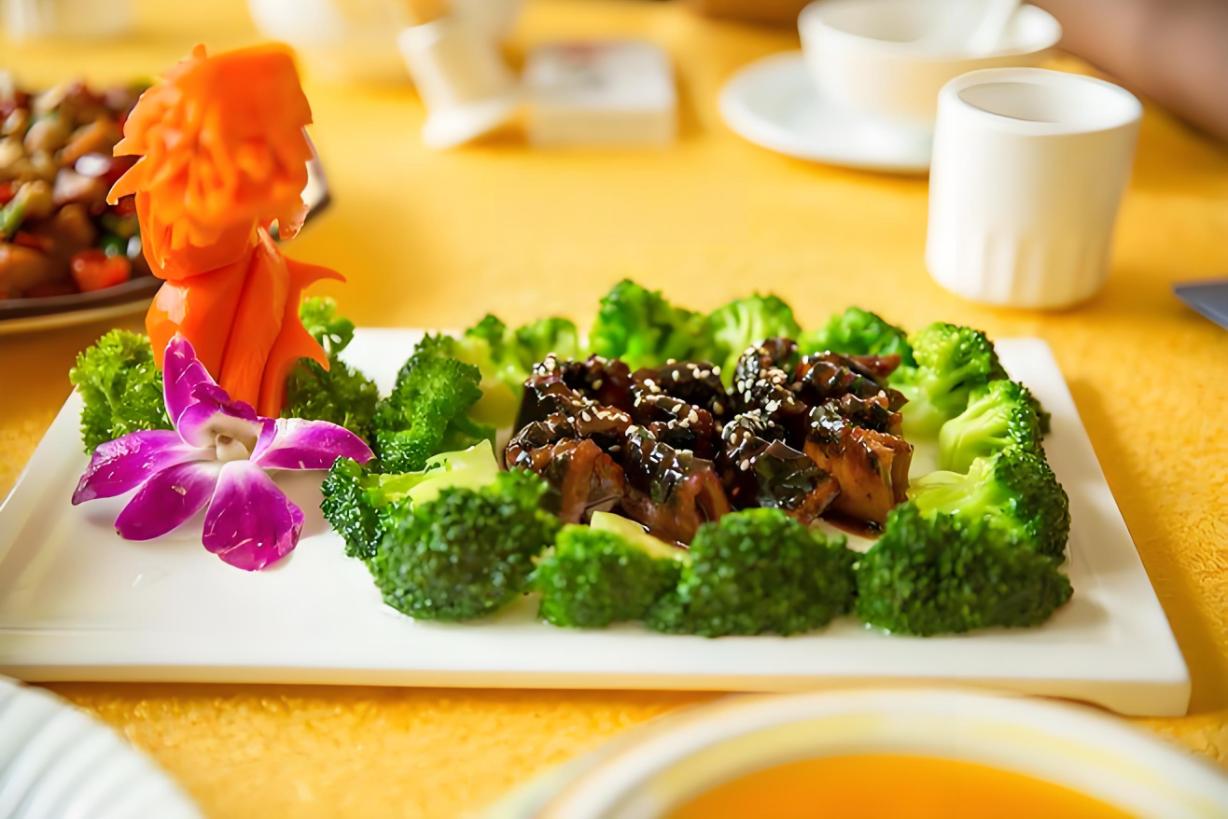
A Culinary Journey Rooted in Buddhist Wisdom
Tucked within the serene landscapes of the Nanshan Cultural Tourism Zone in Sanya, Hainan, the Nanshan Vegetarian Feast offers more than a meal—it’s a mindful journey into traditional Chinese plant-based cuisine shaped by Buddhist philosophy. Located near the revered Nanshan Temple and the iconic 108-meter Sea Guanyin statue, this vegetarian experience reflects centuries of temple food wisdom, artistry, and a deep respect for life.
What sets the Nanshan vegetarian table apart is its ability to transcend expectation. It does not simply present vegetables on a plate—it reimagines them through creativity, devotion, and culinary precision. The dishes are entirely plant-based yet often resemble meat, poultry, or seafood in both appearance and texture. With every bite, guests are invited to taste the spiritual heart of the Nanshan mountains.
Philosophy on the Plate
The cuisine follows the Buddhist principle of non-violence, embracing no-kill, plant-only ingredients. But it goes far beyond abstention. Every element on the plate is chosen to promote balance, health, and inner harmony, while also demonstrating the profound possibilities of meatless cooking.
Central to Nanshan vegetarian cuisine is the technique of “using plant to reflect meat”—an approach where ingredients like tofu, mushrooms, konjac, and winter melon are carefully prepared to mimic familiar meat dishes in flavor and appearance, without compromising the integrity of vegetarianism.
Each dish is both a sensory and symbolic experience, with flavors, shapes, and names that reflect deeper cultural meanings, often tied to Buddhist teachings or Chinese literary references. Presentation is deliberate, echoing the peace and aesthetic of a temple garden.
Signature Dishes with Meaning
Among the many artful creations served at Nanshan, a few signature dishes stand out for their flavor, appearance, and symbolic depth:
Curry “Chicken” Bites: Crafted from firm tofu and potatoes, shaped to resemble chicken cubes, and coated in rich curry sauce. The dish showcases the chef’s ability to blur the line between appearance and reality, while offering satisfying warmth and texture.
Thai-Style “Cod” Fillet: Delicately carved slices of winter melon are arranged like real fish fillets, then topped with a sweet and tangy Thai sauce. This modern addition to the menu not only impresses with its realism but also offers a refreshing contrast of flavors.
Papaya Mushroom Lion’s Head: A playful take on the traditional Chinese meatball dish. Here, finely chopped mushrooms and ripe papaya are combined to form soft, juicy “lion’s heads,” served with rare yellow fungi (tremella aurantialba) in a nourishing broth. It symbolizes prosperity and auspiciousness.
Fan-shaped Vegetarian Shark Fin: Thin strips of bamboo shoot are arranged to replicate the look of shark fin, served in a clear, umami-rich broth. The dish is a testament to knife skills and ethical ingenuity—allowing guests to enjoy the aesthetics of a banquet dish without harming marine life.
Bodhi Fragrance and Auspicious Sutra: Golden-fried durian fritters, crispy on the outside and creamy within, served with a subtle nod to Buddhist sutras and the Bodhi tree. The rich aroma and texture are unforgettable, making this dessert a favorite among adventurous eaters.
Sacred Origins and Setting
The Nanshan Cultural Tourism Zone is a sacred site rich in Buddhist symbolism, coastal beauty, and spiritual architecture. The region has long been regarded as a place of enlightenment and retreat, drawing pilgrims, monks, and travelers alike. Dining on a vegetarian feast here is not just convenient—it’s part of the pilgrimage experience itself.
After visiting the grand Sea Guanyin statue, walking through the tranquil temple gardens, and listening to the soft chanting of monks, guests often settle into the vegetarian restaurant with a sense of calm. The setting is serene, with open-air spaces, traditional décor, and the scent of incense gently floating in from the temple halls.
Eating here becomes a continuation of the spiritual experience—not rushed, not loud, but deeply connected to place, purpose, and the present moment.
Health and Wellness in Every Dish
Beyond its spiritual dimensions, the Nanshan vegetarian feast is also widely praised for its nutritional value and health benefits. The menu emphasizes low-fat, low-cholesterol, high-fiber dishes rich in plant proteins and vitamins.
Local ingredients are used as much as possible, including:
Wild mushrooms from the Hainan rainforest hills
Tropical fruits such as papaya and coconut
Soy-based proteins like tofu, bean curd skin, and gluten
This careful selection reflects both the sustainability of the cuisine and the traditional belief in food as medicine. Many visitors come away feeling lighter, more energized, and deeply nourished—both physically and spiritually.
Memorable Dining Moments
Guests often recall the Nanshan vegetarian experience with a sense of surprise and admiration.
“I never imagined tofu could taste like this,” one guest remarked while sampling the curry ‘chicken.’ “Everything looks like meat, but the flavor is cleaner, lighter. It feels indulgent and healthy at the same time.”
Another traveler described it as “a meditation in flavor,” adding, “From the plating to the textures, every dish had a message. It made me slow down, savor each bite, and really think about what I was eating.”
Families appreciate that the meal is suitable for all ages and dietary preferences. For those new to vegetarian cuisine, it offers a compelling entry point. For seasoned vegetarians or vegans, it opens up new creative possibilities. For all, it’s a unique expression of Chinese culinary tradition, rooted in compassion and craftsmanship.
When and How to Experience It
The Nanshan vegetarian feast is available daily within the Nanshan Cultural Tourism Zone, typically served in elegant dining halls or garden-view pavilions near the main temple complex. Reservations are recommended during peak seasons.
The ideal way to enjoy the meal is after a half-day tour of the Nanshan sights, beginning with the Sea Guanyin and continuing through the temple courtyards, sculpture gardens, and calligraphy corridors. Arriving at the table with a relaxed mind and open heart enhances the entire experience.
Menus are often presented with both Chinese and English names, and staff are happy to explain the ingredients and cultural significance behind each dish.
A Taste Worth Remembering
What makes the Nanshan vegetarian feast so special is its ability to merge art, philosophy, nutrition, and storytelling onto a single table. Every dish is thoughtful. Every bite is layered with tradition. And the entire setting—nestled between mountains and sea—brings peace to the senses.
For travelers seeking more than sightseeing, more than a typical meal, this is an invitation to connect. To slow down. To reflect. And to remember that the most powerful experiences are often the quietest ones—shared over good food, in a sacred place, with intention.