

A Window into Ancient Island Traditions
Nestled among Hainan’s lush tropical mountains, the Li and Miao Cultural Village offers a vibrant journey into the heritage of the island’s oldest inhabitants. For those seeking more than beaches and sunshine, this immersive destination reveals the rich, living traditions of the Li and Miao people—two ethnic groups whose roots on the island trace back thousands of years.
Walking through the village feels like stepping into another world. Time slows, and the modern landscape gives way to an intricate tapestry of customs, stories, music, and craftsmanship. The cultural village isn’t a static exhibit—it’s a dynamic experience where history comes alive through performance, architecture, cuisine, and interaction.
Architectural Marvels: The Distinctive Boat-Shaped Houses
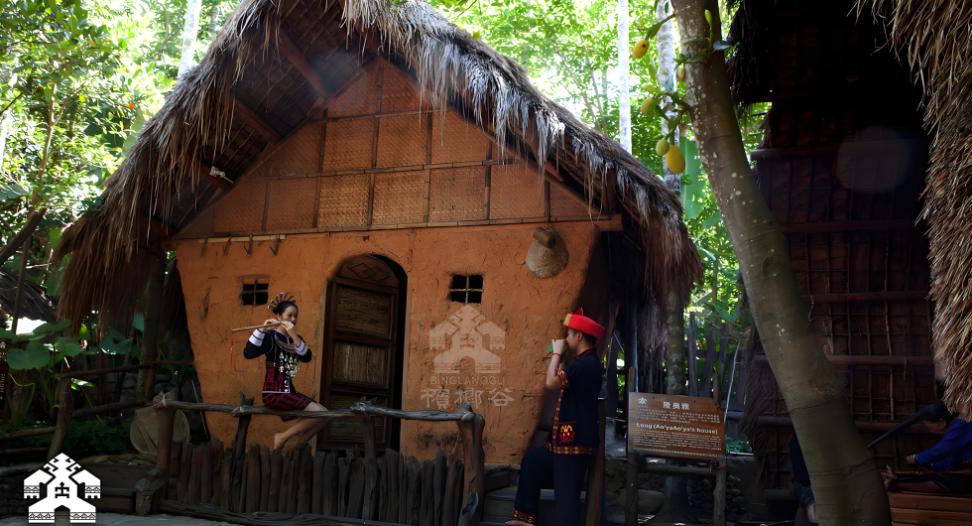
Among the most iconic sights in the village are the traditional boat-shaped houses of the Li people. Built from wood, bamboo, and palm thatch, these elevated structures resemble upside-down boats—a design shaped by both spiritual belief and practical needs. In Li culture, the house is not just shelter; it’s a symbol of life’s journey, echoing their historical connection to nature and the sea.
Visitors can step inside these remarkable homes to experience their cool, airy interiors and learn how every architectural detail—from the raised floor to the central hearth—reflects a philosophy of harmony with the environment. Guided explanations often explore how the layout of the home supports communal life, gender roles, and rituals passed down through generations.
Photographers and design lovers will appreciate the aesthetics, but even casual visitors sense the wisdom embedded in these handcrafted dwellings.
Textile Traditions: The Art of Li Brocade Weaving
Few elements of Li culture are as visually stunning—or as technically complex—as their traditional brocade weaving. Recognized by UNESCO as an intangible cultural heritage, Li brocade is a centuries-old art form practiced almost exclusively by women. The patterns, rich in symbolism, are woven on traditional backstrap looms that require immense skill and patience.
In the village, visitors can observe artisans at work, their fingers flying across colorful threads to form intricate geometric designs. Each motif tells a story—of ancestors, nature, and everyday life. The use of natural dyes, including indigo, betel, and mountain herbs, adds authenticity to these vibrant pieces.
Guests are invited to try weaving themselves, under the guidance of local artists. Even a few minutes at the loom reveals the delicate balance of tension, rhythm, and concentration this craft demands. Many choose to bring home a handwoven scarf or sash, not just as a souvenir, but as a piece of living culture.
Rhythms of the Highlands: Dance, Music, and Celebration
Throughout the day, performances fill the open-air amphitheaters and village squares. Bamboo flutes, nose-horns, and wooden drums set the rhythm for dances that range from solemn to playful. The Miao people are known for their silver-adorned costumes and graceful, circular dances, while the Li performances often feature energetic drumming and symbolic gestures rooted in myth.
One of the most engaging participatory events is the bamboo pole dance. Visitors are welcomed to join local performers in this lively tradition, where dancers step in and out of clapping bamboo poles laid on the ground in a rhythmic pattern. It requires quick feet, a bit of courage, and a sense of humor—making it a favorite for families and groups.
Participation isn’t just encouraged; it’s celebrated. The atmosphere is warm and welcoming, with locals eager to share the joy and energy of their heritage.
Flavors of the Land: Mountain Cuisine and Indigenous Spirits
Cultural exploration at the village includes a delicious foray into traditional Li and Miao cuisine. Earthy, fragrant, and deeply tied to the land, these dishes reflect the island’s mountainous terrain and agricultural roots.
One of the highlights is Shanlan rice wine—a traditional fermented rice wine made from glutinous rice grown in the highlands. Smooth and subtly sweet, it is typically served in carved bamboo cups or earthen bowls. Visitors can sip it during performances or as part of a meal, often accompanied by local delicacies such as smoked wild boar, steamed taro, pickled bamboo shoots, and grilled river fish.
Cooking demonstrations are often available, where guests can learn how to wrap rice in banana leaves or pound herbs with a stone mortar. The emphasis on natural ingredients, foraged herbs, and slow preparation methods gives every meal a sense of place.
Craftsmanship and Daily Life: A Museum in Motion
Scattered throughout the village are workshops and artisan huts where traditional crafts continue to thrive. Whether it’s wood carving, pottery, or silverwork, each station provides insight into daily life as it was lived generations ago—and in many ways, still is today.
Visitors can watch a craftsman shape a machete from raw steel using traditional bellows, or observe women braiding intricate patterns into baskets made from rattan. Children especially enjoy the interactive stations where they can try simple crafts or play traditional games made from natural materials.
Rather than simply displaying artifacts, the village keeps these skills alive through apprenticeship and community participation. Every woven basket or carved flute has a maker whose story is part of the larger cultural narrative.
A Living Legacy: Hospitality and Connection
One of the most powerful aspects of the Li and Miao Cultural Village is the hospitality shown by the local communities. Many of the performers, guides, and artisans are not actors but real villagers who have grown up with these traditions. Their pride is tangible, and their enthusiasm for sharing their culture is sincere.
Guests often leave with more than just photos or souvenirs—they leave with stories, laughter, and a deeper appreciation for cultural resilience. For many, the village serves as a reminder that traditions need not be relics of the past. They can thrive, adapt, and inspire when shared with respect and care.
Voices from the Journey: What Visitors Are Saying
Visitors frequently describe their experience at the cultural village as eye-opening and heartwarming. It’s not uncommon to hear remarks like “the highlight of our Hainan trip” or “an unforgettable glimpse into real island life.”
Some are captivated by the beauty of the textiles, others by the rhythm of the dances, or the savory depth of a freshly prepared mountain meal. What ties these impressions together is the authenticity of the experience—it feels less like a performance, and more like a generous invitation into a way of life.
Couples, families, and solo travelers alike find something here that resonates. It’s not just about learning—it’s about connection.
Where Heritage Meets the Present
The Li and Miao Cultural Village is more than a tourist attraction. It is a vibrant space where the voices of Hainan’s indigenous communities can be heard, seen, and felt. It offers travelers a rare chance to engage with the island beyond its coastal resorts, to walk among the mountains and meet the people who have called them home for centuries.
In doing so, it enriches not only our understanding of Hainan, but also our appreciation for the diversity and beauty of human tradition.