
모든 거리 모퉁이에서 전통의 한 조각
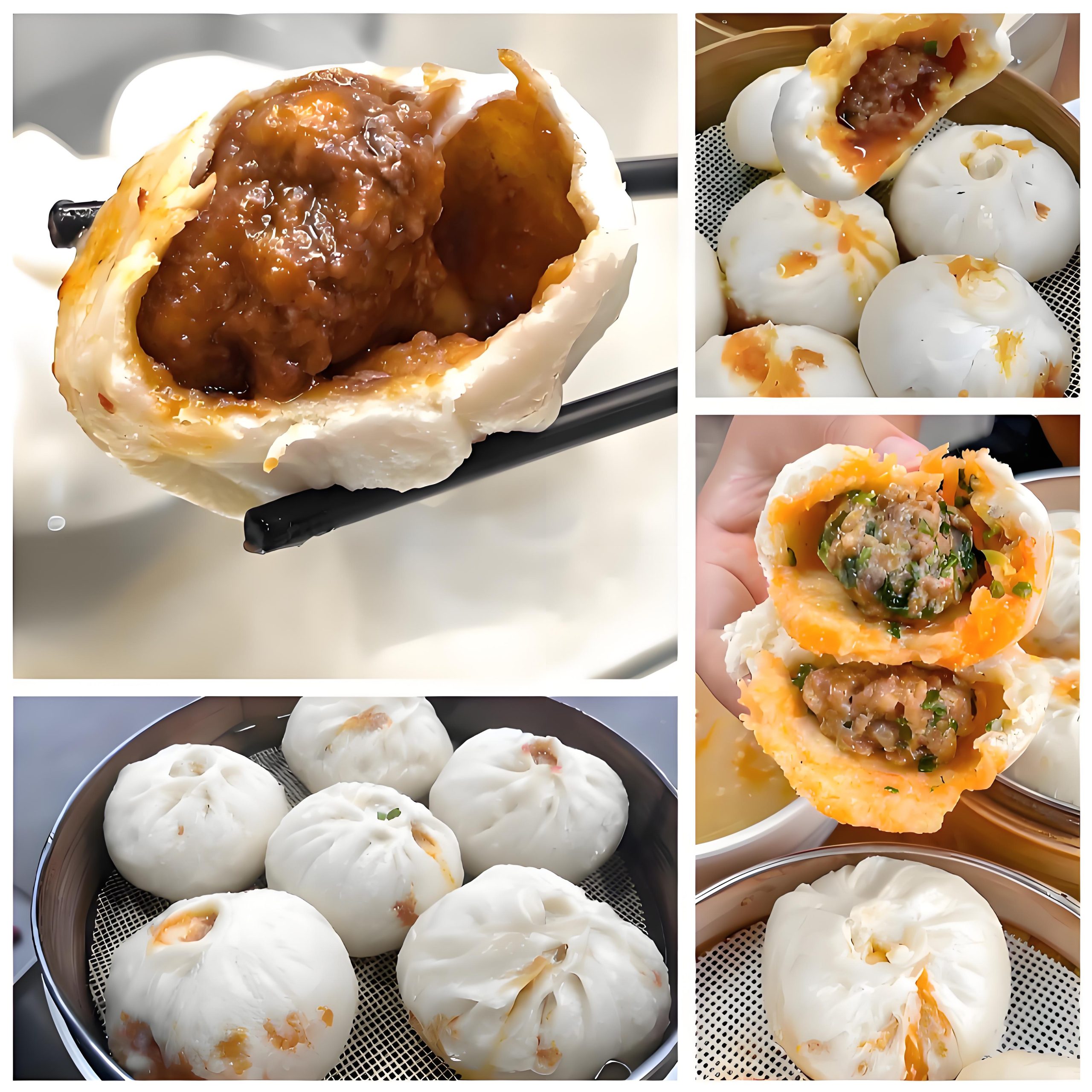
이창의 거리와 골목길을 걷다 보면 발걸음마다 짭짤하고 살짝 매콤한 냄새가 진동합니다. 찜 바구니에 넣거나 노점에 가지런히 진열된 붉은 기름 바오즈 (고추기름으로 윤기 나는 찐빵, 하얗고 투명한 껍질에 풍미 가득한 속을 채운 만두)는 지역 주민들에게는 매일 사랑받는 간식이자, 여행객들에게는 잊을 수 없는 맛의 경험이 되었습니다.
이창의 홍유 바오즈는 단순한 간식이 아닙니다. 문화적 상징이자, 편안한 음식이며, 현대 도시 생활과 수 세기 동안 이어져 온 지역 역사를 연결하는 요리 전통입니다.
강이 새긴 역사
붉은 기름 바오즈의 이야기는 아득한 과거로 거슬러 올라갑니다. 기록에 따르면 그 기원은 한나라로 거슬러 올라가며, 동진(東晉) 시대의 『병보(病報)』 와 같은 고대 문헌에도 이 지역의 찐빵과 만두에 대한 언급이 나옵니다 . 지역 전설에 따르면, 만두 속을 반죽으로 싸는 풍습은 춘추(春秋) 시대부터 시작되었는데, 당시 시인 굴원(屈原)에게 제사를 지낼 때 만두를 사용했다고 합니다.
지리적으로 이창은 양쯔강의 중요한 분기점에 위치해 있습니다. 명나라와 청나라 시대에는 이창에서 쓰촨성까지 이어지는 강 구간을 촨장(川江)이라고 불렀습니다. 이 구간은 세계 내륙 항해 역사상 가장 험난하고 교통량이 많았던 하천 노선 중 하나였습니다.
상류로 화물을 운반하던 배들은 이창에서 종종 정체되곤 했습니다. 앞쪽의 험난한 협곡을 헤쳐 나가려면 사람의 힘이 필요했기 때문입니다. 이 시대에는 밧줄과 근육으로 가파르고 험난한 강물을 헤치며 짐을 끌고 다니던 유명한 “삼협 추적자”들이 있었습니다.
이 노동자들은 체력을 유지하기 위해 영양가 있고 휴대하기 편리하며 먹기 편한 음식이 필요했습니다. 매콤한 맛과 육즙이 가득한 붉은 기름 바오즈는 그야말로 완벽했습니다. 휴대하기 편하도록 포장하여 쪄서 고기와 향신료가 듬뿍 들어가고, 지역 막걸리와 함께 즐기는 바오즈는 추적자들이 즐겨 찾는 음식이 되었습니다. 강이 굽이치는 곳이나 위험한 급류가 흐르는 곳마다 지역 여관과 노점들이 생겨나 여행객과 노동자 모두에게 따뜻하고 매콤한 바오즈를 제공했습니다.
지역 언어를 말하는 맛
오늘날 바오즈는 강변에서 먹는 소박한 음식과는 달라 보일지 몰라도, 그 정신은 변함없습니다. 현대식 붉은 기름 바오즈는 정성껏 수작업으로 만들어집니다. 반죽은 손으로 반죽하고 접습니다. 속은 잘게 다져 듬뿍 양념합니다. 돼지고기, 소고기, 양고기, 그리고 믹스 채소 등 다양한 맛이 있습니다. 하지만 중요한 것은 속의 내용물만이 아니라 어떻게 양념하느냐입니다.
이창 바오즈는 매우 매운맛, 강한 매운맛, 중간 매운맛, 약간 매운맛, 향긋한 매운맛, 얼얼할 정도로 매운맛(사천산 후추 함유), 심지어 맵지 않은 오리지널 버전까지 다양한 매운맛으로 유명합니다. 어떤 맛을 선택하든, 바오즈는 특유의 붉은 고추기름 한 스푼으로 마무리됩니다. 향긋하고 매콤하며 감칠맛이 가득한 바오즈입니다.
고추기름은 단순히 매운맛만을 내는 것이 아닙니다. 마늘, 발효콩, 참깨, 그리고 다른 비밀 재료들이 어우러져 풍부하고 다층적인 풍미를 선사합니다. 고추기름이 찐 반죽에 스며들어 한 입 한 입 가득 풍부한 맛과 따스함을 선사합니다. 한 입만 먹어도 포만감과 활력을 동시에 느낄 수 있어, 하루를 시작하기에도, 야식으로도 좋습니다.
전통과 혁신이 만나는 곳
As the city has modernized, so too has the baozi. While still rooted in tradition, new generations of chefs and street vendors have introduced new techniques and flavors. Established names like Xianyipin Baozi, Jia Yuanwai Night Baozi, Lu Bao Bao, Ji Gouzi Baozi, Xiao Taoyuan Bao, Hu Ji Bao, and Xietan Bao have become local favorites, each offering their own interpretation of the classic red oil baozi.
Some shops use bamboo steamers over wood fires for a traditional smoky aroma, while others experiment with multi-colored dough or fusion-style fillings. In night markets and breakfast stalls alike, you’ll see lines of hungry customers drawn to the sight of steamy baskets and the smell of sizzling chili.
Despite the innovations, the essence of the baozi has remained unchanged. It still represents generosity, balance, and community—values deeply embedded in Yichang culture.
A Feast for the Senses
Eating a red oil baozi is a multi-sensory experience. The delicate skin gives way to a burst of broth and tender filling. The chili oil coats your lips, creating a gentle tingle that lingers after each bite. Every mouthful tells a story: of river journeys, of labor and resilience, of homespun meals shared across generations.
Locals cherish these buns not just for their flavor but for what they represent. As one long-time Yichang resident, Mr. Chen Hualin, puts it, “Yichang red oil baozi are hand-made, carefully filled, and full of nutrition. They are not just delicious—they’re an essential part of my life.”
Another traveler, Ms. Zhang Chengmin, shares, “Food is an extension of culture. Yichang’s red oil baozi combine the chewy richness of northern Chinese dough with the vibrant spice of Sichuan cuisine. I fell in love with it instantly.”
An Experience Worth Traveling For
For those visiting Yichang, tasting the red oil baozi is not optional—it’s essential. Whether you’re walking the riverside, exploring ancient alleyways, or finishing a hike through the Three Gorges region, there is nothing quite like sitting down with a fresh baozi in hand, steam rising into the morning air, the red oil pooling at the bottom of the wrapper, and the first bite warming you from the inside out.
Many local shops offer interactive experiences. Some allow visitors to try making baozi under the guidance of local masters—kneading the dough, stuffing the filling, folding the wrappers into pleated crescents, and finally watching them steam to perfection. It’s a fun, memorable way to engage with local food culture beyond simply tasting it.
이창의 바오즈는 변해가는 도시의 이야기를 담고 있습니다. 강변 항구에서 현대적인 중심지로, 손으로 끄는 배에서 고속철도로, 장작을 피우는 부엌에서 북적이는 야시장으로. 이 모든 과정에서 이 소박한 빵은 단순한 길거리 간식이 아니라 인내, 공동체, 그리고 공유된 유산의 상징으로 자리매김해 왔습니다.