

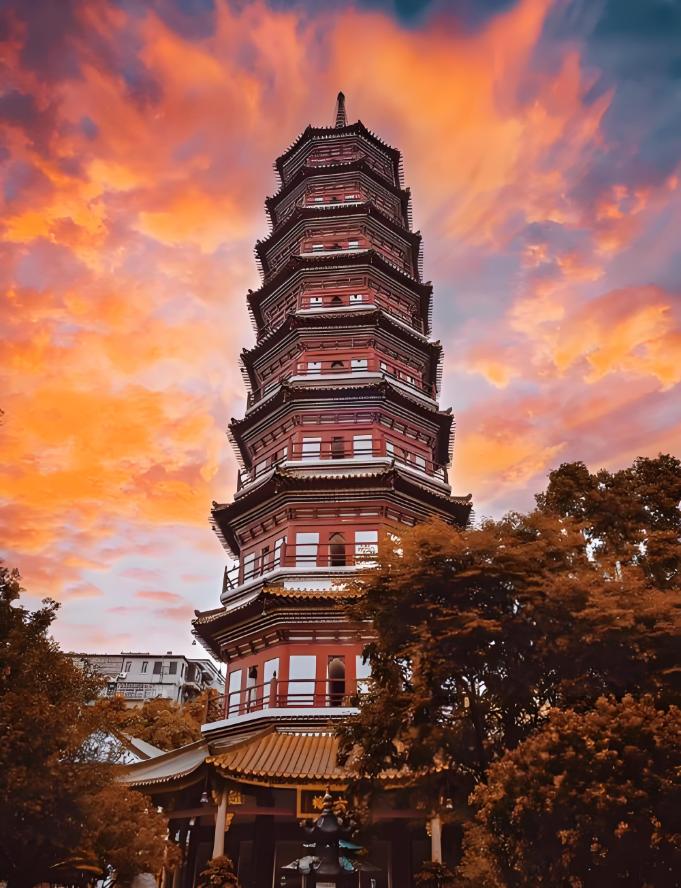
The Birthplace of Chinese Chan Buddhism
Tucked away in the vibrant streets of Guangzhou lies Guangxiao Temple, a serene sanctuary and one of the most historically significant Buddhist sites in China. More than a thousand years old, the temple is revered as the place where the Sixth Patriarch of Chan (Zen) Buddhism, Huineng, was ordained. For anyone interested in the roots of East Asian spirituality, this site offers more than history—it offers an experience of living tradition.
Guangxiao Temple’s origins trace back to the Western Han dynasty, initially built as a private residence before becoming a temple during the Three Kingdoms period. Throughout the Tang and Song dynasties, it gained prominence as a center for Buddhist study, practice, and ordination. Its link to Huineng marks it as a birthplace of Chinese Zen thought, making it not only architecturally rich but also spiritually resonant.
Tranquility Amid Urban Energy
The temple sits in sharp contrast to the energy of central Guangzhou. Within its grounds, a sense of stillness takes over. Time seems to slow down as you walk under ancient banyan trees and beside incense-filled altars. The air carries a subtle scent of sandalwood, and the chants of monks practicing in the main hall can often be heard drifting through the corridors.
The Bodhi Tree within the temple courtyard is said to be over a thousand years old. Legend holds that Huineng received his tonsure beneath its leaves, and for many visitors, standing under this tree evokes a deep sense of connection to centuries of devotion and introspection.
Architectural Elegance Rooted in Simplicity
Unlike some ornate temples in China, Guangxiao Temple reflects the minimalist aesthetic of Chan Buddhism. The structures are not designed to dazzle, but rather to harmonize with nature and instill calm. The Mahavira Hall (Daxiong Baodian), one of the central buildings, features a grand yet understated design. It houses three gilded statues of Buddha—Sakyamuni, Amitabha, and Medicine Buddha—and offers a peaceful space for contemplation.
Another highlight is the Eastern Iron Pagoda, a rare architectural relic from the Song dynasty. Cast in iron and embedded with delicate Buddhist carvings, it demonstrates the advanced craftsmanship and religious dedication of the time.
Living Ritual and Reflection
Daily life continues at Guangxiao Temple much as it has for centuries. Monks perform rituals, devotees offer incense, and visitors quietly explore its peaceful gardens and halls. There are no flashing lights or loudspeakers—just the rhythmic tapping of wooden fish, murmured prayers, and the occasional flutter of a bird landing on the temple eaves.
The temple also functions as a spiritual retreat for laypeople. Visitors are welcome to join in meditation sessions or morning chanting, particularly during Buddhist festivals. Guided tours are available in English, offering insights into the temple’s symbolism, religious art, and legacy.
Highlights for Visitors
The Bodhi Tree: A spiritual centerpiece, this tree offers shade, symbolism, and a direct link to Zen Buddhism’s most revered figure.
Ancient Iron Pagoda: Uncommon in temple architecture, this structure offers a glimpse into early Chinese Buddhist relics.
Calligraphy Tablets and Inscriptions: Many carved tablets throughout the complex display Buddhist scriptures and Tang-era poetry.
Peaceful Atmosphere: Despite its central location, the temple grounds offer a space of introspection and calm.
Reflections from the Journey
Many travelers describe Guangxiao Temple as a breath of fresh air in the city’s buzz. One visitor from Italy wrote, “You don’t have to be Buddhist to feel the depth of this place. It’s quiet, ancient, and full of gentle energy.” A visitor from Canada mentioned, “I sat under the Bodhi Tree for 20 minutes and forgot about time. This place calms you down from the inside out.”
Tips for a Meaningful Visit
Best Time: Morning visits are ideal, when the air is cool, the incense is freshly lit, and the monks are beginning their daily rituals.
What to Wear: Modest attire is appreciated. Shoulders and knees should be covered.
Language Support: English-speaking guides or audio tours are often available; check at the entrance.
Don’t Rush: Allow at least an hour to walk slowly through the halls, rest under the trees, and absorb the surroundings.
Nearby Attractions: The temple is close to Ximenkou Station and can be paired with a visit to the nearby Huaisheng Mosque or the Chen Clan Ancestral Hall.
A Quiet Portal into Chinese Spiritual Heritage
Guangxiao Temple isn’t flashy or overwhelming—it doesn’t try to impress. But for those willing to slow down, it opens a door into the core of Chinese Zen and monastic life. Whether you are a student of Buddhism, an architecture enthusiast, or simply a traveler in search of peace, this temple offers an unforgettable moment of stillness in the heart of Guangzhou’s rhythm.